JWST Detects Potential Habitability Indicator in Distant Planet's Water
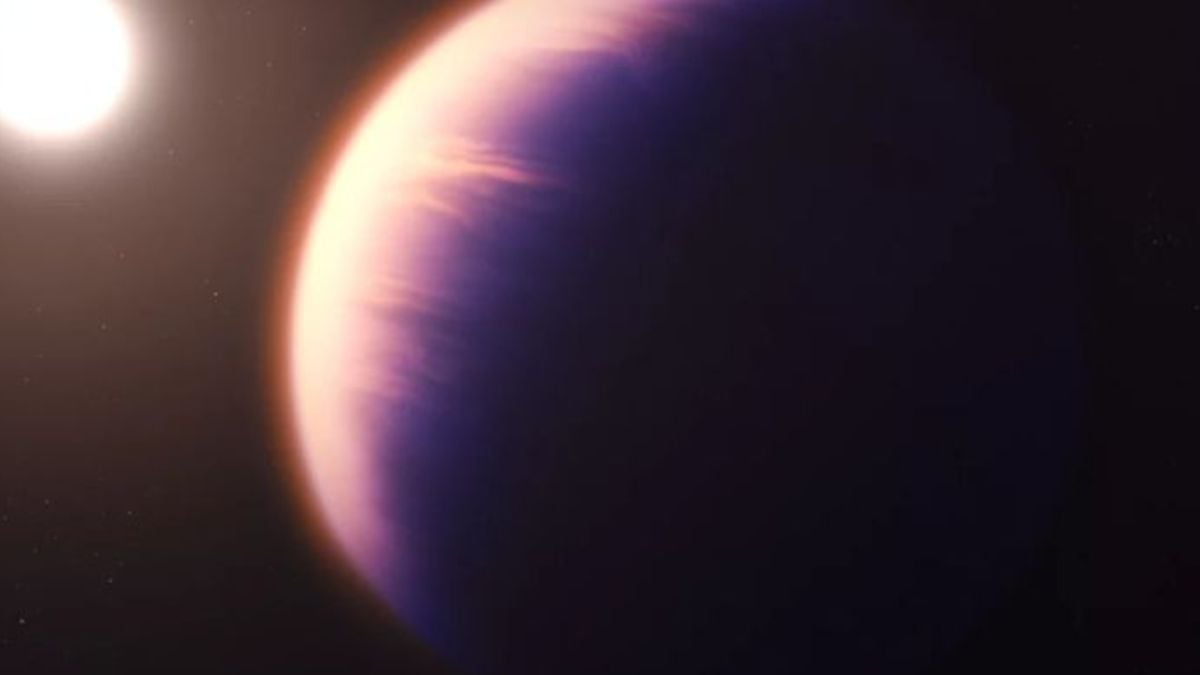
The James Webb Space Telescope (JWST) has identified a significant clue related to the habitability of an exoplanet, marking a new phase in the study of planets outside our solar system. This discovery highlights the advanced capabilities of the JWST in analyzing the atmospheric composition of distant worlds. The findings suggest the presence of water, a key ingredient for life as we know it, on this exoplanet. This represents a major step forward in the search for potentially life-supporting environments beyond Earth. The scientific community anticipates further groundbreaking discoveries as the JWST continues its observational mission. The telescope's precision allows for unprecedented insights into the conditions on these remote celestial bodies. This development underscores the ongoing progress in exoplanet research and the potential for future discoveries. The focus is now on further characterizing this planet and searching for other biosignatures.
The JWST's detection of water-related signals on an exoplanet signifies a pivotal advancement in exoplanetary science, moving beyond mere detection to atmospheric characterization. This capability allows for a more nuanced assessment of potential habitability, shifting the focus from 'are there planets?' to 'what are the conditions on those planets?'. Future research will likely concentrate on corroborating these findings and searching for additional atmospheric components that could indicate biological processes. The long-term implications involve refining our understanding of planetary formation and the prevalence of life-supporting conditions across the galaxy, potentially reshaping astrobiological paradigms within the next decade.
AI-generated to prompt reflection — not editorial opinion, not advice, not a statement of fact. How this works.