JWST May Struggle to Detect Water in Mini-Neptune Exoplanet Atmospheres
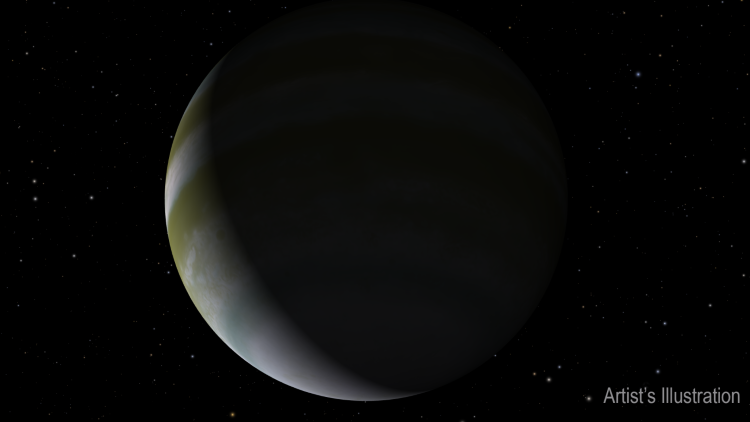
Sub-Neptune exoplanets, which are smaller than Neptune, represent the most abundant planet type in our Milky Way galaxy, with nearly 3,300 confirmed discoveries out of over 6,300 exoplanets found so far. Despite their prevalence, understanding the specific characteristics of these sub-Neptunes remains challenging. A significant obstacle is the absence of a similar planet within our own solar system to serve as a comparative model. Furthermore, their atmospheres are known to be dense and obscured by haze, complicating detailed observation. Consequently, even highly advanced instruments like NASA's James Webb Space Telescope face considerable difficulties in conducting precise telescopic observations of these distant worlds and potentially detecting elements like water within their atmospheres.
The prevalence of sub-Neptune exoplanets, despite their poorly understood characteristics, highlights a significant gap in our current astronomical knowledge. The difficulty in observing these planets, even with the James Webb Space Telescope, underscores the limitations of current observational technology when faced with specific atmospheric compositions. This challenge prompts a re-evaluation of observational strategies and instrument capabilities needed to characterize the most common planetary types in the galaxy. Future advancements may require novel approaches to atmospheric analysis, potentially focusing on indirect detection methods or developing instruments specifically tuned to penetrate dense, hazy atmospheres. Understanding these worlds is crucial for a comprehensive picture of planetary formation and diversity across the cosmos.
AI-generated to prompt reflection — not editorial opinion, not advice, not a statement of fact. How this works.