K-Pop's Infiltration into North Korea: A Glimpse of Freedom Under Kim Jong-un's Rule
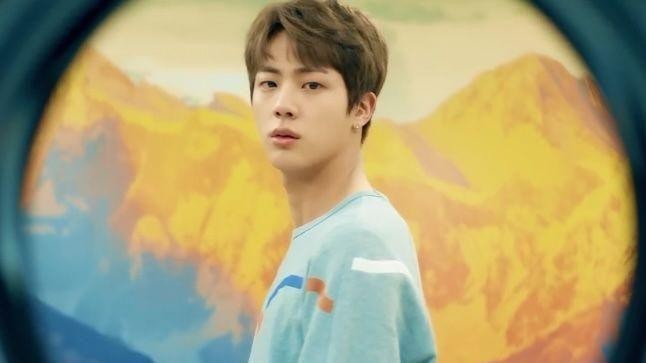
Despite the strict authoritarian regime in North Korea, where leader Kim Jong-un is positioned as the sole idol, South Korean K-pop has found a way to penetrate the isolated nation. Defectors share accounts of secretly listening to K-pop music and watching performances, often without knowing the artists' identities but connecting with the hopeful lyrics. For many, discovering South Korean music provided a stark contrast to the state-controlled media and propaganda they were exposed to daily. The experience of consuming this forbidden content offered a sense of freedom and a connection to a world previously inaccessible. Groups like BTS, Blackpink, Girls' Generation, Teen Top, and 2PM have gained a following, with elements of their music and choreography becoming part of the underground culture. For instance, BTS's name, Bangtan Sonyeondan, has entered everyday language in North Korea, used in casual phrases. Songs like BTS's "Dynamite," despite being entirely in English, resonated with listeners due to their uplifting melodies, even reaching remote areas through smuggled media. The visual aspects of K-pop, such as colorful hair and elaborate dance routines, were particularly striking to North Koreans accustomed to a very different aesthetic. Learning K-pop dance moves became a trend among teenagers, offering a form of self-expression. However, consuming South Korean media is a serious offense in North Korea, punishable by imprisonment or worse, leading individuals to take extreme precautions, such as carrying decoy media devices. Public criticism sessions were held to deter citizens from engaging with foreign content, highlighting the severe risks involved.
The clandestine spread of K-pop within North Korea illustrates the potent appeal of cultural expression and individual choice, even under extreme state control. This phenomenon highlights a fundamental tension between a regime's desire for absolute ideological conformity and the inherent human drive for connection and diverse experiences. The fact that K-pop, with its emphasis on artistry, personal narrative, and global trends, can resonate across the heavily fortified border suggests that information control, while formidable, is not absolute. This cultural infiltration, driven by individual curiosity and the desire for entertainment distinct from state-sanctioned content, poses a subtle but persistent challenge to the regime's narrative of self-sufficiency and ideological purity. The long-term implications involve the potential for increased awareness of external realities among the North Korean populace, which could, over time, influence societal dynamics and perceptions of the outside world.
AI-generated to prompt reflection — not editorial opinion, not advice, not a statement of fact. How this works.