Kajima's New President Kiryu Focuses on AI, Yet Emphasizes Human Role Amid Labor Shortages
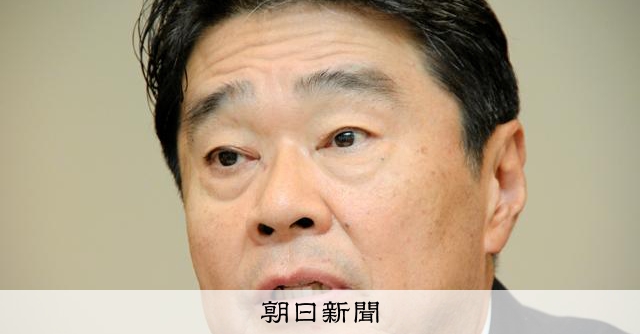
Kajima Corporation has appointed Hiroshi Kiryu as its new president. Kiryu plans to aggressively pursue artificial intelligence (AI) integration within the company's operations. However, he also stressed the enduring importance of human capital, stating that "in the end, it's people." This dual focus comes as the construction industry, like many others, grapples with significant labor shortages. Kiryu's strategy aims to leverage AI for efficiency and productivity gains. Simultaneously, he intends to address the human element by focusing on personnel development and ensuring the company can still rely on its workforce. The approach seeks to balance technological advancement with the fundamental need for skilled human labor in overcoming industry-wide challenges. The company faces the critical task of adapting to a future where both AI and human capabilities will be essential.
The appointment of a new president prioritizing AI while acknowledging the human element reflects a common strategic pivot across industries facing demographic shifts and labor scarcity. This approach seeks to optimize operational efficiency through technology while mitigating the risks associated with a shrinking workforce. The challenge lies in effectively integrating AI not merely as a tool for automation, but as a collaborative partner that augments human capabilities. Kajima's success will depend on its ability to foster a culture that embraces both technological innovation and continuous human skill development, ensuring that the 'human touch' remains a competitive advantage in an increasingly automated landscape. This dual strategy is crucial for long-term resilience and adaptability in the coming decade.
AI-generated to prompt reflection — not editorial opinion, not advice, not a statement of fact. How this works.