Kala-azar Cases Decline in Nepal's Far-Western Region
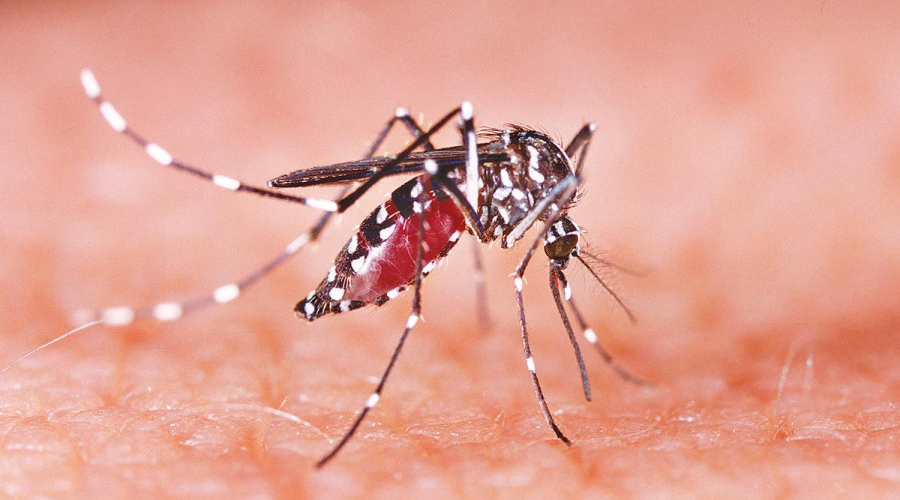
The number of Kala-azar patients is decreasing in the Far-Western region of Nepal. This decline is attributed to several factors that have improved healthcare services and disease control efforts. The expansion of treatment services within hospitals has made care more accessible to affected individuals. Furthermore, the availability of skilled healthcare professionals ensures that patients receive proper medical attention and management. The provision of free medicines and diagnostic tests has removed financial barriers to treatment, encouraging more people to seek help. Active case finding through diligent searching for infected individuals has also played a crucial role. Finally, effective monitoring of sandflies, the vectors that transmit the disease, has helped to curb its spread. These combined strategies are proving effective in reducing the incidence of Kala-azar in the region.
The reduction in Kala-azar cases in Nepal's Far-Western region demonstrates the positive impact of coordinated public health interventions. Expanding access to services, ensuring skilled personnel, and providing free diagnostics and treatments are critical components of effective disease control. The proactive approach of active case finding and vector monitoring highlights a systems-thinking strategy that addresses both the disease and its transmission mechanisms. Looking ahead, sustained investment in these public health infrastructures will be crucial for maintaining progress and potentially eradicating the disease, especially in the context of evolving environmental and societal factors that can influence vector-borne illnesses.
AI-generated to prompt reflection — not editorial opinion, not advice, not a statement of fact. How this works.