Kalidou Koulibaly Urges Unity in Senegalese Football After FSF Conference
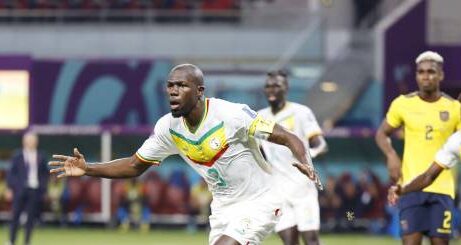
Following a press conference held by the Senegalese Football Federation (FSF), Kalidou Koulibaly, the captain of the national football team, has issued a call for unity within the sport. Koulibaly emphasized the importance of collective responsibility to safeguard Senegal's image on the international stage. He expressed concerns that internal divisions and conflicts could lead to a regression in the development of national football. The player's appeal highlights a desire to move past recent controversies and foster a more cohesive environment for the sport in Senegal. His statement underscores the critical role that unity plays in achieving future success and maintaining the integrity of Senegalese football. The FSF conference itself likely addressed ongoing issues within the federation, prompting Koulibaly's timely intervention. The captain's message aims to unite stakeholders, including players, officials, and fans, towards a common goal of strengthening Senegalese football.
The call for unity from Kalidou Koulibaly, a prominent figure in Senegalese football, suggests underlying tensions or disputes within the sport's governance or player relations. Such appeals often arise when institutional stability is perceived to be at risk, potentially impacting performance and national reputation. From a systems perspective, fragmented leadership or unresolved conflicts within sports federations can hinder strategic development, investment, and talent progression. In the context of the evolving global sports landscape, characterized by increasing commercialization and performance demands, a unified front is crucial for Senegal to effectively compete and manage its sporting assets. The challenge lies in translating this call for unity into concrete actions that address the root causes of division, fostering sustainable governance and a positive environment for future football development over the next decade.
AI-generated to prompt reflection — not editorial opinion, not advice, not a statement of fact. How this works.