Kaligandaki Rural Municipality Supports Families with Three Children
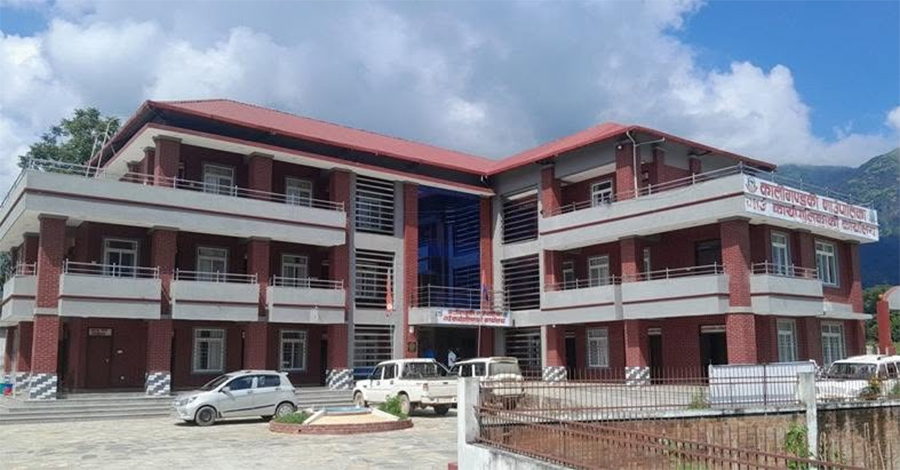
Kaligandaki Rural Municipality in Syangja, Nepal, has provided financial assistance to 17 families under its 'Economic Aid for Families with Three Children' program. This initiative aims to counteract the declining population trend within the municipality. Eligible families receive a monthly stipend of 4,000 Nepalese Rupees (NPR) for having their third child, as outlined in the program's guidelines. The program seeks to foster a more positive outlook towards having children within the community. The support is provided for the current fiscal year, with the municipality continuing its efforts to encourage population growth through this incentive.
This policy intervention by Kaligandaki Rural Municipality reflects a growing global concern regarding declining birth rates and aging populations. By offering financial incentives, the municipality aims to directly influence family planning decisions, potentially boosting the local demographic and workforce in the long term. However, such programs often face questions about long-term fiscal sustainability and whether financial incentives alone are sufficient to alter deeply ingrained societal trends or address the underlying economic pressures that may discourage childbearing. Future demographic shifts will likely depend on a broader range of socio-economic factors beyond direct financial support.
AI-generated to prompt reflection — not editorial opinion, not advice, not a statement of fact. How this works.