Kaliningrad: 80 Years Since Königsberg Became Russian
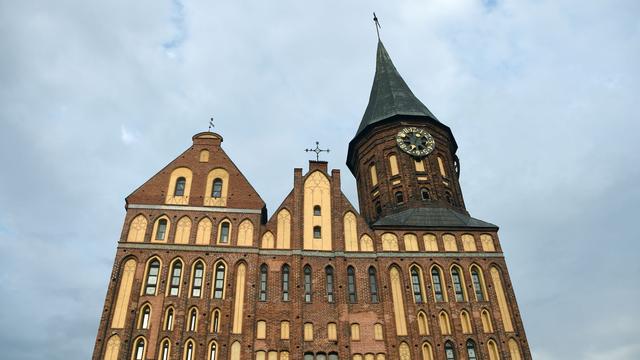
This year marks 80 years since the city of Königsberg was renamed Kaliningrad and became part of the Soviet Union. The city, located in the former East Prussia, was renamed in honor of Mikhail Kalinin, a prominent Bolshevik revolutionary and Soviet statesman. Königsberg, a historic German city, was the birthplace of the philosopher Immanuel Kant. The renaming and transfer of territory occurred following the end of World War II in 1945. The Potsdam Agreement, signed by the Allied powers, allocated the northern part of East Prussia, including Königsberg, to the Soviet Union. The German population was largely expelled or repatriated. The city has since developed as a significant Russian exclave, strategically located on the Baltic Sea. Its history is a complex tapestry woven with German heritage, wartime destruction, and Soviet transformation. The legacy of Kant and the city's German past continue to be points of historical and cultural discussion.
The transition of Königsberg to Kaliningrad represents a significant geopolitical shift following World War II, illustrating how territorial control and national identity can be redrawn by state power. The renaming and demographic changes underscore the lasting impact of conflict on urban landscapes and cultural heritage. As a Russian exclave, Kaliningrad's strategic importance on the Baltic Sea continues to shape its role in regional dynamics. The historical narrative, encompassing figures like Immanuel Kant and the subsequent Soviet era, highlights the complex interplay between local identity and broader geopolitical forces, a dynamic likely to persist in the evolving European security environment.
AI-generated to prompt reflection — not editorial opinion, not advice, not a statement of fact. How this works.