Kamchybek Tashiev Declines 2027 Presidential Bid, Endorses Sadyr Japarov
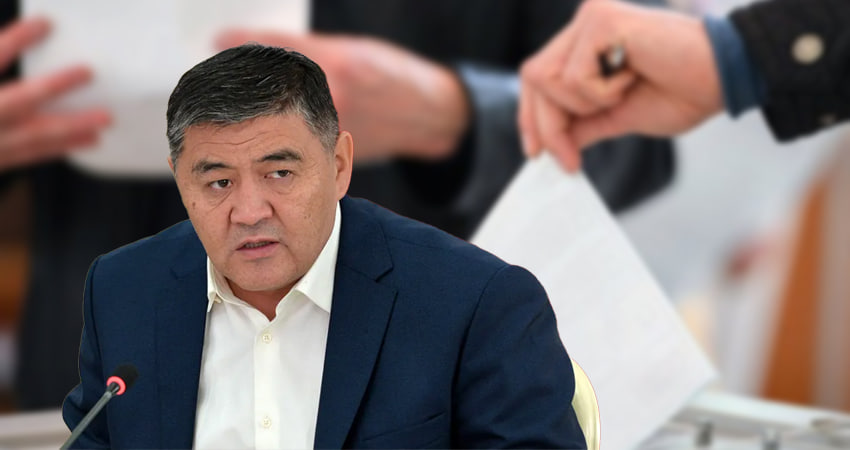
Kamchybek Tashiev, the former chairman of Kyrgyzstan's State Committee for National Security (SCNS), has announced that he will not participate in the 2027 presidential elections. Instead, Tashiev stated his intention to support the incumbent head of state, Sadyr Japarov, in the upcoming election. This decision marks a significant political move within Kyrgyzstan's leadership circles. Tashiev's prior role as head of the SCNS placed him in a position of considerable influence over national security matters. His public endorsement of Japarov suggests a unified front among key political figures. The announcement was made public, signaling a clear direction for his political support. Further details regarding the specific reasons for his withdrawal from the presidential race were not immediately disclosed, but his commitment to backing Japarov is unequivocal. This development is likely to shape the political landscape leading up to the 2027 elections.
Kamchybek Tashiev's decision to forgo a presidential bid in 2027 and instead endorse Sadyr Japarov reflects a strategic consolidation of power within Kyrgyzstan's political elite. This move can be analyzed through the lens of governance stability, where key figures prioritize continuity and alignment over potential internal competition. From a systems perspective, such endorsements can reduce electoral uncertainty but may also limit the emergence of diverse political perspectives, potentially impacting long-term democratic development. The interplay between security apparatus leadership and executive power, as exemplified by Tashiev's past and present roles, warrants attention regarding institutional checks and balances. Looking ahead, this alignment could foster policy predictability, but it also raises questions about the mechanisms for political succession and the broader representation of societal interests in future leadership transitions.
AI-generated to prompt reflection — not editorial opinion, not advice, not a statement of fact. How this works.