Kanazawa: Japan's Exquisite City That Evaded WWII Destruction
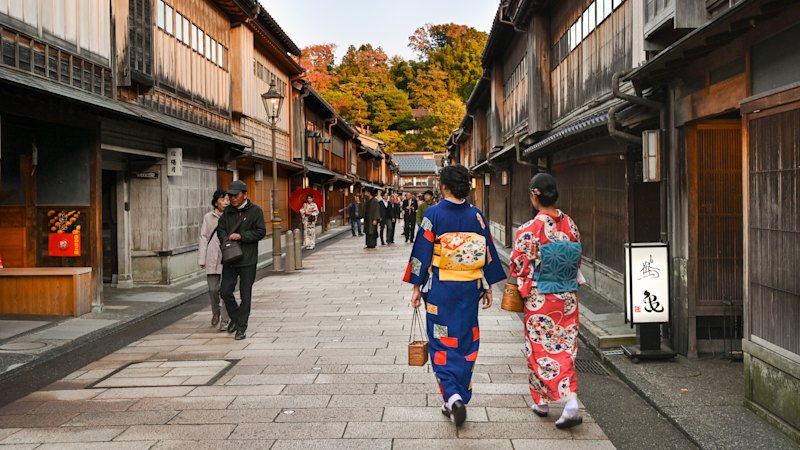
Kanazawa, a Japanese city once considered a rival to Tokyo and Kyoto, has remarkably preserved its pre-World War II character. The city largely escaped the widespread firebombing that devastated many other Japanese urban centers during the war. This preservation allows visitors to experience an atmosphere where historical elements, such as the presence of samurai, feel palpably close. Its well-maintained historical districts offer a unique glimpse into Japan's past, making it an extraordinary destination for those seeking authentic cultural experiences.
Kanazawa's survival of WWII bombing offers a unique case study in urban preservation and historical continuity. The city's ability to retain its architectural and cultural heritage provides a valuable counterpoint to the rapid modernization seen elsewhere in Japan. This preservation highlights the interplay between historical accident and deliberate policy in shaping urban landscapes. Examining Kanazawa's development trajectory over the next decade could reveal insights into how heritage sites can be integrated into contemporary economies, balancing tourism and local community needs while navigating the challenges of maintaining historical authenticity in an evolving world.
AI-generated to prompt reflection — not editorial opinion, not advice, not a statement of fact. How this works.