Kancil and Bajaj Taxis Still Operate in Jakarta Amidst Modern Transport Competition
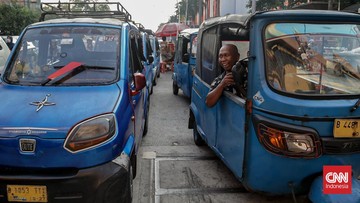
Despite the rapid advancement of public transportation, taxi services, and ride-sharing apps, traditional Kancil and Bajaj vehicles continue to operate in Jakarta. These iconic three-wheeled and small motorized vehicles have maintained their presence on the city's streets. Their continued existence highlights a persistent demand for alternative transportation options within the bustling Indonesian capital. The vehicles represent a unique facet of Jakarta's urban transport landscape. They offer a distinct experience compared to contemporary modes of transport. Their resilience suggests a niche market that modern services have not entirely supplanted. The presence of Kancil and Bajaj vehicles alongside newer transport technologies paints a complex picture of Jakarta's mobility ecosystem. This coexistence reflects the diverse needs and preferences of the city's commuters.
The continued operation of Kancil and Bajaj vehicles in Jakarta, despite the proliferation of modern ride-sharing and public transport, indicates a persistent market segment that values affordability, maneuverability in congested areas, or a specific user experience. This situation presents a dynamic where legacy transportation methods coexist with technological advancements, driven by differing consumer needs and potentially lower operational costs for these traditional services. The long-term viability will likely depend on regulatory frameworks, evolving urban planning, and the ability of these operators to adapt to changing environmental and safety standards, while also considering the potential for integration or displacement by newer mobility solutions.
AI-generated to prompt reflection — not editorial opinion, not advice, not a statement of fact. How this works.