Kangāl Harināth: A Farmer's Voice Against Colonial Oppression
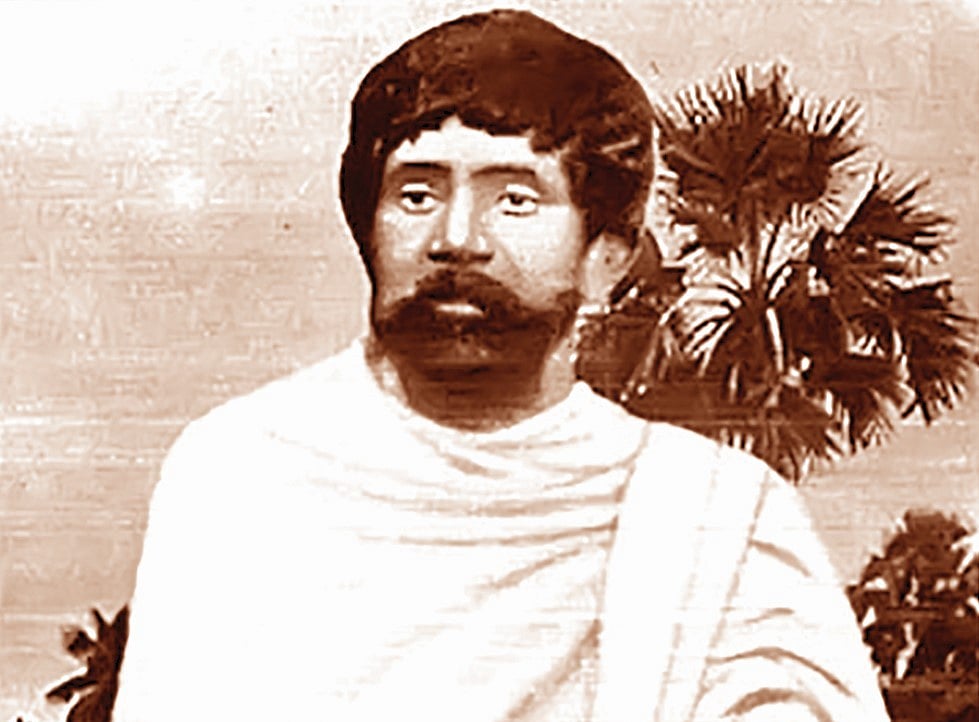
Kangāl Harināth, a pivotal figure of the 19th century, emerged as a powerful voice for farmers during the British colonial era. He wielded both his pen and his dotara, a two-stringed lute, as instruments to combat the injustices of the time. Harināth stood against the unbearable atrocities inflicted by indigo planters and the oppressive practices of native landlords towards their tenants. His life was a testament to struggle, and his contributions extended to the expansion of education. His unwavering journalism and his unique Baul philosophy offer valuable lessons and inspiration for current and future generations. Harināth's legacy underscores the importance of using art and communication to challenge exploitation and advocate for the marginalized.
Kangāl Harināth's historical role highlights the potent synergy between cultural expression and social activism, particularly in challenging oppressive colonial and feudal systems. His dual use of the pen and the dotara exemplifies how diverse communication tools can amplify marginalized voices against systemic exploitation. This approach offers a framework for understanding how contemporary social movements can leverage both traditional and modern media to advocate for agrarian rights and resist economic injustices. The enduring relevance of his Baul philosophy suggests that spiritual and artistic traditions can provide a moral compass and a source of resilience in the face of material hardship and political subjugation, prompting reflection on how such integrated approaches can foster sustainable societal change in the long term.
AI-generated to prompt reflection — not editorial opinion, not advice, not a statement of fact. How this works.