Kansai Electric's Spent Nuclear Fuel Relocation Plan Faces Uncertainty
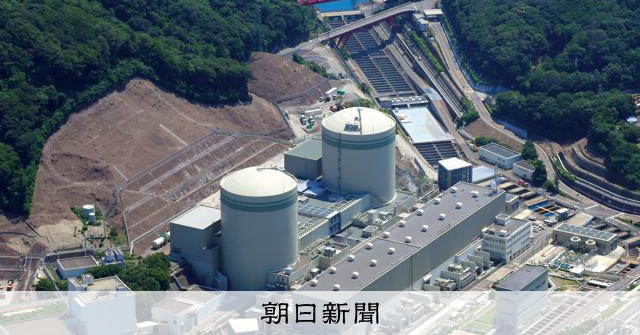
Kansai Electric Power Company (KEPCO) is facing significant challenges regarding its plan to relocate spent nuclear fuel from its facilities in Fukui Prefecture. The company's original agreement with the prefecture stipulated that the fuel would be moved out of the prefecture by the end of 2020. However, this deadline has passed without the fuel being relocated, casting doubt on KEPCO's ability to fulfill its commitment.
The relocation plan is crucial for the continued operation of KEPCO's nuclear power plants, particularly the Takahama and Ohi plants, which have been storing large amounts of spent fuel. The prefecture has expressed concerns about the long-term storage of this radioactive material within its borders. KEPCO has been exploring various options for interim storage and final disposal, but has yet to secure a definitive solution. The ongoing uncertainty surrounding the relocation plan raises questions about the future of nuclear energy in the region and KEPCO's capacity to manage its nuclear waste responsibly.
KEPCO's challenges with spent nuclear fuel relocation highlight the complex interplay between energy generation, waste management, and regional governance. The company's commitment to a 2020 deadline, now unmet, suggests potential underestimation of the technical, logistical, and political hurdles involved in nuclear waste disposal. Future energy strategies, particularly those relying on nuclear power, must incorporate more robust, long-term waste management frameworks that account for extended timelines and potential public opposition. This situation underscores the need for transparent communication and collaborative planning between utility companies and local authorities to build trust and ensure sustainable energy solutions that address both energy needs and environmental safety.
AI-generated to prompt reflection — not editorial opinion, not advice, not a statement of fact. How this works.