Karachi commuters face high transport fares despite fuel price drops
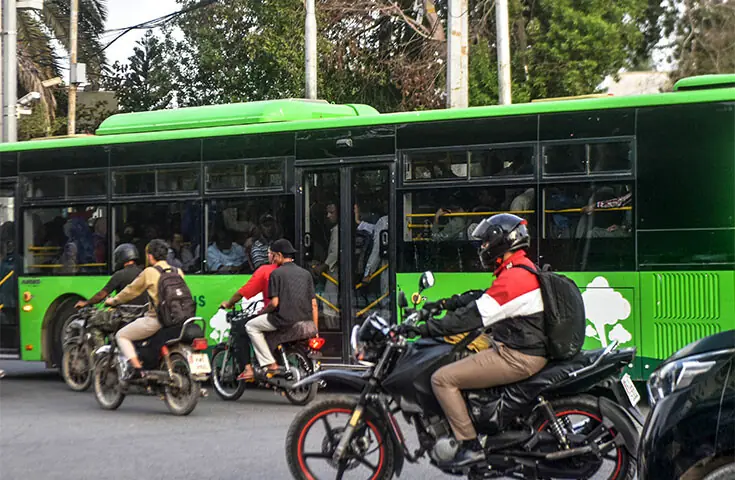
Despite significant reductions in petrol and diesel prices in Karachi, amounting to approximately Rs100 per litre, commuters report that transport fares have not decreased. Private bus operators and ride-hailing services continue to charge rates that were implemented when fuel prices surged due to regional tensions. Passengers claim that intra-city fares were raised by about 40% following the government's increase in petroleum prices, with transporters citing financial unsustainability at the previous fare structure. However, with successive fuel price cuts bringing prices down from a peak of over Rs400 per litre to around Rs300 per litre, commuters argue that the current net increase in fuel cost is only Rs30 to Rs40 per litre compared to pre-conflict levels of Rs260-Rs270. They point to specific examples, such as a bus fare increasing from Rs60 to Rs90 or Rs100, and ride-hailing trips seeing increases of Rs100 to Rs500. Commuters are urging the Sindh government to intervene, investigate overcharging complaints, and ensure that the benefit of lower fuel costs is passed on to passengers, alleviating the financial burden on households already grappling with the rising cost of living.
The situation in Karachi highlights a common market dynamic where price increases, often justified by external shocks like geopolitical events impacting fuel costs, do not always recede proportionally when those external factors abate. This suggests a potential asymmetry in price adjustments, where initial hikes are readily passed to consumers, but subsequent cost reductions are retained by service providers. This behavior can stem from various factors, including imperfect competition, information asymmetry between providers and consumers, and the absence of robust regulatory oversight. The commuters' appeals to the Sindh government underscore the need for effective governance mechanisms that ensure fair pricing and consumer protection, particularly in essential services like transportation. Future policy considerations might involve establishing clearer guidelines for fare adjustments based on fuel price fluctuations or implementing mechanisms for independent price monitoring to prevent sustained overcharging and maintain public trust.
AI-generated to prompt reflection — not editorial opinion, not advice, not a statement of fact. How this works.