Karachi HIV Screening: 120 Locals Test Positive After Hospital Outbreak
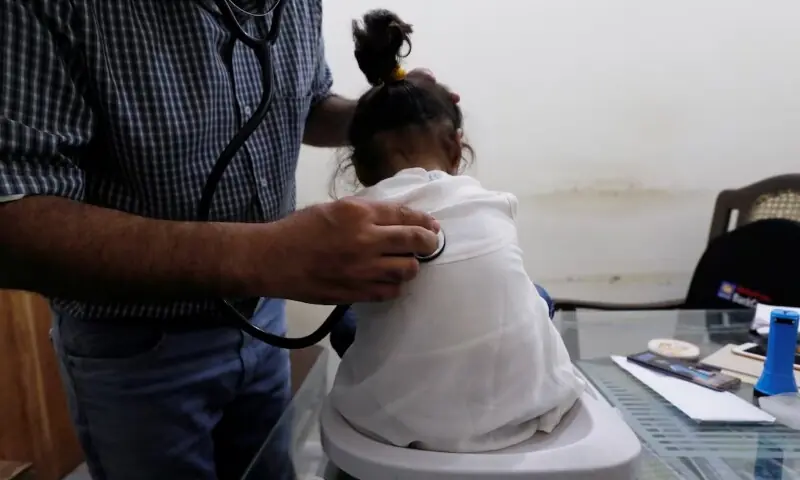
Following an HIV outbreak at Valika Hospital in Karachi, over 10,500 residents in the SITE area have been screened since October 2025, with 120 testing positive for the virus. A separate screening at another hospital in Landhi tested 2,000 individuals, resulting in 10 HIV-positive cases. Sindh Labour Minister Saeed Ghani announced these figures, emphasizing that the government will cover the treatment costs for all newly identified patients and will not halt the screening drive due to fear of more cases emerging. Two inquiry reports confirmed 78 HIV-positive children and six deaths linked to the Valika Hospital outbreak. The screening campaign began on October 23, 2025, after the hospital reported the initial cases. Affected children are receiving treatment at five leading hospitals, including Indus Hospital and Aga Khan University Hospital. A committee of medical experts will oversee a Rs2 billion endowment fund established for the children's long-term care. Minister Ghani acknowledged lapses in medical waste disposal, stating that action is being taken against those responsible. He also criticized the sensationalization of the issue, citing the Sindh HIV Control Act of 2006 that mandates patient confidentiality. Strict action, including dismissals and imprisonment, will be taken against negligent individuals. While accepting indirect responsibility, Ghani stated that all hospital-linked infections predated October 2025, with no new cases reported from Valika Hospital since then. Medical experts noted that infection-control issues extend beyond this specific outbreak, with some private clinics also exhibiting lapses and contributing to the spread of HIV.
The reported HIV outbreak and subsequent mass screening highlight critical systemic vulnerabilities within Pakistan's healthcare infrastructure, particularly concerning infection control and medical waste management. The government's commitment to funding treatment and establishing an endowment fund addresses immediate patient welfare, but the underlying causes of the outbreak, including alleged protocol disregard for personal gain, require robust, transparent accountability mechanisms. The minister's acceptance of indirect responsibility and the ongoing investigations suggest a recognition of governance failures. Looking ahead, a decade of focus on AI-driven diagnostics, predictive analytics for disease outbreaks, and automated compliance monitoring in healthcare settings could mitigate such risks. Furthermore, fostering a culture of proactive public health surveillance and ethical medical practice, supported by stringent regulatory enforcement, is essential to prevent future tragedies and rebuild public trust in healthcare institutions.
AI-generated to prompt reflection — not editorial opinion, not advice, not a statement of fact. How this works.