Karachi Water Supply Restored After Dhabeji Pumping Station Power Resumed
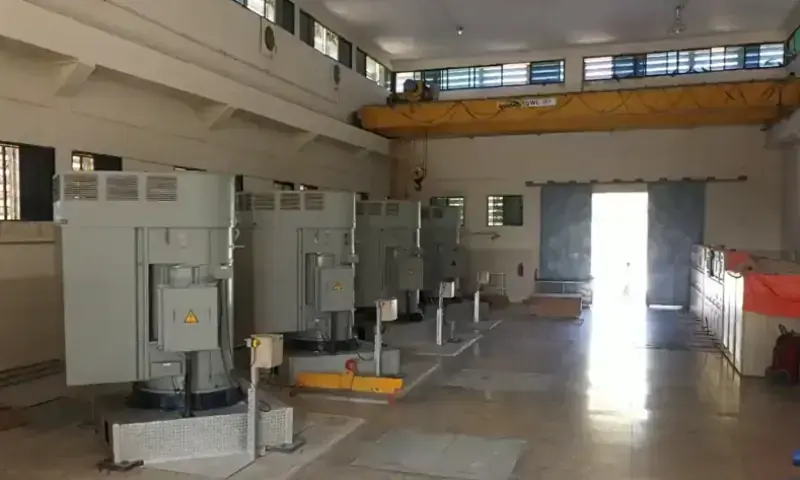
Water supply to several areas of Karachi began to resume in phases on Monday after electricity was restored to the Dhabeji pumping station. The power outage, caused by a cable fault, had lasted approximately 22 hours, suspending operations at the city's primary water intake point. Karachi Water and Sewerage Corporation (KWSC) spokesperson Abdul Qadir Shaikh confirmed that K-Electric (KE) resumed power supply at 7:20 am on Monday, following the initial disruption at 8:43 am on Sunday. This prolonged power failure resulted in a significant shortfall of nearly 48 million gallons of water for the city. Affected neighborhoods included parts of North Nazimabad, Nazimabad, Gulberg Town, New Karachi, Landhi, Korangi, and Scheme 33. The Dhabeji pumping station relies heavily on consistent electricity, and even short interruptions lead to immediate service disruptions. The incident caused three pumps at the station to shut down temporarily. While KWSC initially cited a cable fault, a KE spokesperson clarified that the issue with the KDA Pumping Feeder 2, which supplies power to the station, was internal and not KE's responsibility. KE stated that power supply to 19 out of 22 pumping motors remained normal and a KE team was assisting KWSC. This follows a similar electricity outage earlier this month at the K-2 Pumping Station that also led to the shutdown of three major pumps.
This event highlights the critical vulnerability of urban infrastructure to single points of failure, particularly the reliance on a single power source for essential services like water supply. The prolonged outage, lasting nearly 22 hours and impacting millions, underscores the need for enhanced grid resilience and redundancy in power delivery to vital facilities. The dispute between KWSC and KE regarding the cause of the cable fault suggests potential communication gaps or differing technical assessments, necessitating clearer protocols for incident response and shared responsibility. Future infrastructure planning must prioritize decentralized power solutions or backup generation for water pumping stations to mitigate the impact of such disruptions, ensuring consistent service delivery in the face of an increasingly unpredictable climate and aging infrastructure.
AI-generated to prompt reflection — not editorial opinion, not advice, not a statement of fact. How this works.