Karnali Grapples with Evolving Addiction Crisis Beyond Traditional Substances
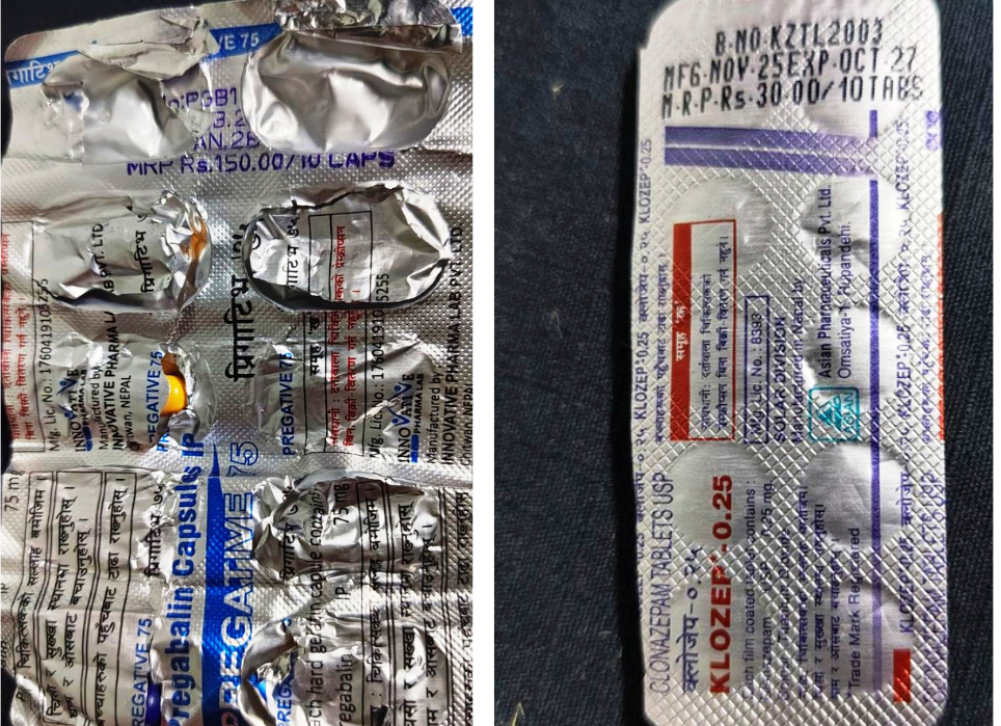
The Karnali region of Nepal is confronting a significant shift in its addiction landscape, moving beyond traditional substances like brown sugar. A growing concern involves the misuse of sedatives, painkillers, and other prescription medications as intoxicants. This emerging challenge presents a new hurdle for both law enforcement agencies and public health professionals in the area. The change indicates a complex evolution in substance abuse patterns, requiring updated strategies for intervention and treatment. Health workers are increasingly encountering individuals dependent on these pharmaceutical drugs for non-medical purposes. Law enforcement faces difficulties in identifying and controlling the diversion of these prescription medicines. The situation highlights the need for greater public awareness and more robust regulatory oversight of pharmaceutical distribution. Addressing this evolving addiction problem will necessitate a multi-faceted approach involving healthcare providers, police, and community support systems.
The shift in Karnali's addiction problem from traditional substances to prescription drugs signals a broader global trend driven by the accessibility and perceived lower risk of pharmaceuticals. This evolution challenges existing public health and law enforcement frameworks, which may be less equipped to address the diversion and misuse of legally manufactured substances. The situation underscores the importance of integrated approaches that combine drug control policies with accessible mental health services and addiction treatment. Future strategies must consider the pharmaceutical supply chain's vulnerabilities and the societal factors contributing to the demand for such intoxicants, particularly within regions undergoing socio-economic transitions.
AI-generated to prompt reflection — not editorial opinion, not advice, not a statement of fact. How this works.