Karnali Province: What Will the New Political Equation Look Like?
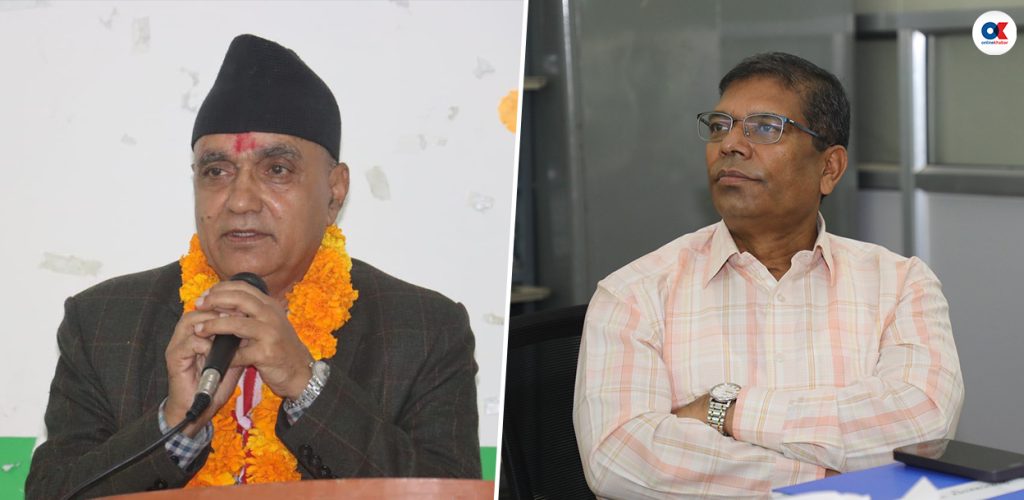
In the Karnali Province Assembly, which has 40 members, 20 seats are required to form a government. Currently, the Congress party holds 15 seats, the CPN (Maoist Centre) has 14 seats, and the CPN (UML) has 10 seats. Any two of these three major parties can easily form a government by aligning themselves. The political landscape in Karnali is dynamic, with the potential for shifting alliances among the Congress, CPN (Maoist Centre), and CPN (UML) parties. The requirement of 20 seats for a majority means that the formation of a stable government will depend on the strategic decisions and negotiations between these parties. The distribution of seats among the three leading parties suggests that coalition-building will be a critical factor in determining the provincial government's composition and stability.
The political dynamics in Karnali Province illustrate a common governance challenge in multi-party systems where coalition stability is paramount. The distribution of seats among Congress, CPN (Maoist Centre), and CPN (UML) necessitates strategic alliances to achieve the 20-seat threshold for government formation. This scenario highlights the importance of inter-party negotiation and compromise in ensuring legislative functionality. Looking ahead, the ability of these parties to form durable coalitions will be a key determinant of policy implementation and provincial development over the next decade, particularly as regional governance models evolve alongside technological and societal shifts.
AI-generated to prompt reflection — not editorial opinion, not advice, not a statement of fact. How this works.