Karnataka Congress Leader Urges Patience Amidst Cabinet Expansion Discontent
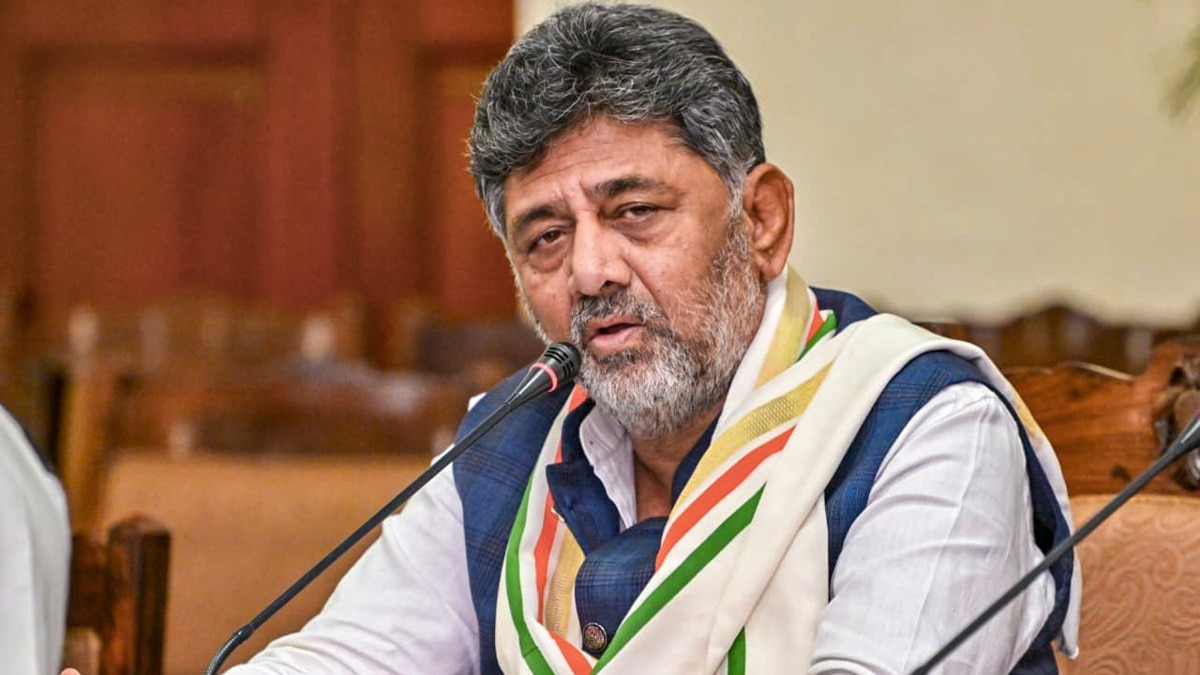
Ahead of the cabinet expansion in Karnataka, several Congress leaders have expressed dissatisfaction over not receiving ministerial positions. Karnataka's Deputy Chief Minister, D.K. Shivakumar, appealed to the disgruntled MLAs to remain patient, assuring them that opportunities would be provided in the future. The upcoming cabinet reshuffle is set to include 19 new ministers. Shivakumar, who himself did not secure a ministerial post initially, shared his personal experience to encourage perseverance among his colleagues. This situation highlights the internal dynamics and aspirations within the state's ruling Congress party as it forms its new government. The allocation of portfolios and ministerial berths is often a sensitive process, reflecting the political balancing act required in coalition governments or large parties. The party leadership is likely working to manage these expectations and maintain unity within the ranks. The inclusion of 19 new ministers suggests a significant expansion or reshuffling of the existing council. Shivakumar's statement aims to de-escalate potential internal conflicts and foster a sense of collective progress.
The reported discontent among Karnataka Congress MLAs regarding ministerial appointments underscores the persistent challenge of managing political aspirations within large parties. While Deputy Chief Minister D.K. Shivakumar's call for patience and assurance of future opportunities reflects a common strategy to maintain party cohesion, it also highlights the inherent tension between individual ambitions and collective governance. The process of cabinet formation often involves intricate negotiations and compromises, influenced by factors such as seniority, regional representation, and factional loyalties. In the context of evolving governance models, particularly with the increasing influence of digital platforms and public scrutiny, political parties face pressure to ensure transparency and fairness in such selections. The next decade will likely see a greater demand for meritocratic appointment processes, potentially reducing the impact of traditional patronage networks and fostering more equitable political participation.
AI-generated to prompt reflection — not editorial opinion, not advice, not a statement of fact. How this works.
