Karnataka Govt Denies Viral Claim of 7,000 Students Infected with HIV
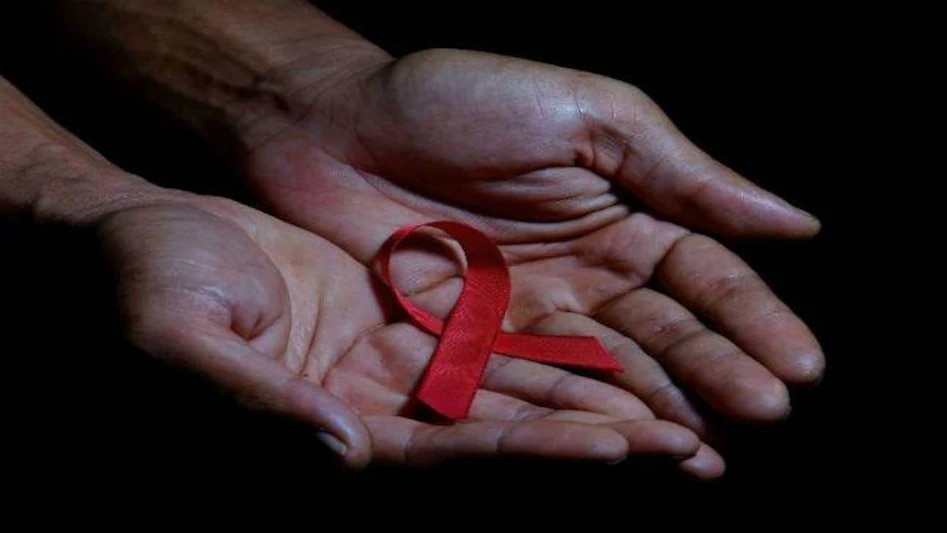
A viral claim on social media alleging that 7,000 students in Karnataka have contracted HIV has been debunked by the state government. The Karnataka government has issued a clarification stating that the information is entirely fabricated and false. Officials urged the public to disregard the rumors and take care of themselves. The viral post appears to have spread misinformation without any factual basis. The government's swift response aims to prevent panic and address the unfounded fears generated by the social media post. This incident highlights the challenges of combating misinformation, especially when it concerns public health. The authorities have emphasized the importance of relying on official sources for accurate information.
The rapid dissemination of unsubstantiated health claims on social media poses a significant challenge to public trust and well-being. This incident underscores the critical need for robust digital literacy programs that equip citizens to critically evaluate online information. While the Karnataka government has acted to correct the record, the underlying susceptibility to sensationalized, fear-mongering content suggests a broader societal vulnerability. Future efforts should focus on proactive communication strategies from official bodies and the development of accessible, reliable platforms for health information to counteract the spread of dangerous falsehoods in the digital age.
AI-generated to prompt reflection — not editorial opinion, not advice, not a statement of fact. How this works.