Kashmir Election Violence: 40 Dead as Protests Erupt Over Reserved Seats
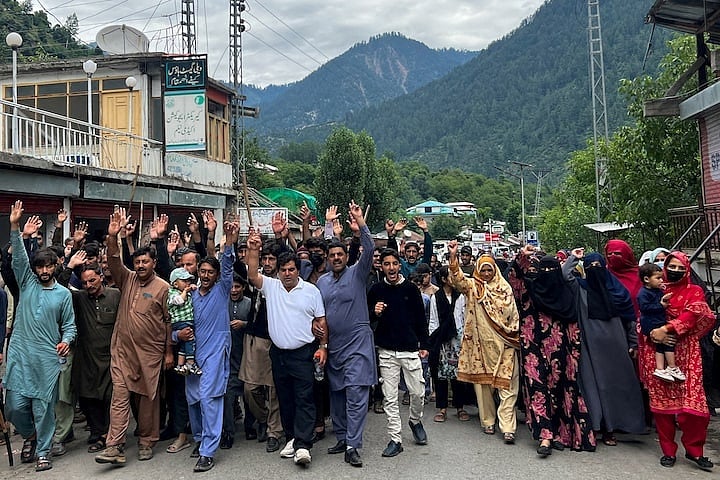
Ahead of legislative elections in Pakistan-administered Kashmir, at least 40 people have been killed in widespread violence, with the majority being protestors. The unrest stems from a demand by the Joint Awami Action Committee (JAAC), a coalition of rights groups, to abolish 12 seats in the local assembly reserved for refugees from Indian-administered Kashmir. JAAC argues these reserved seats undermine local representation, as many holders do not reside in the territory, preventing local residents from electing representatives for all 53 seats. The government has banned JAAC under anti-terrorism laws and launched a crackdown, which critics, including the UN Human Rights Chief Volker Türk, allege involves excessive force and violates fundamental rights to expression and assembly. Türk has called for an impartial investigation into the deaths of protestors and security personnel and criticized the ban on JAAC. India has blamed decades of structural exploitation and deprivation of basic rights for the violence, a claim denied by Pakistan. The upcoming election, scheduled in three phases starting July 27, faces a climate of fear and tension, with candidates conducting limited, private campaigning due to threats and harassment. Many residents are reluctant to speak out, fearing repercussions from either JAAC or security forces. Despite the volatile situation, Pakistan's Kashmir Affairs Minister Amir Muqam insists the election is the only way forward, asserting that millions of Kashmiris should decide their future. However, some, like former Muzaffarabad Development Authority chief Zahid Amin, question the credibility of elections held under such circumstances. The region has also experienced prolonged mobile and internet service shutdowns, which are seen by some, like PPP Chairman Bilawal Bhutto, as collective punishment.
The escalating violence in Pakistan-administered Kashmir preceding legislative elections highlights a deep-seated conflict over political representation and resource allocation. The controversy surrounding reserved seats for refugees, while framed as a mechanism for inclusion, has created systemic disenfranchisement for local residents, fueling demands for greater autonomy. The government's response, employing anti-terrorism laws and security crackdowns, risks further alienating the population and suppressing legitimate grievances, potentially exacerbating instability. International calls for investigation and dialogue underscore the need for a governance framework that balances the rights of all stakeholders, including refugees and local populations, to prevent future cycles of violence and ensure credible democratic processes in the region. The prolonged communication blackouts suggest a state prioritization of control over civic engagement, a strategy that may prove counterproductive in fostering long-term peace and stability.
AI-generated to prompt reflection — not editorial opinion, not advice, not a statement of fact. How this works.