Kashmiri Pellet Gun Victim Calls for Complete Ban
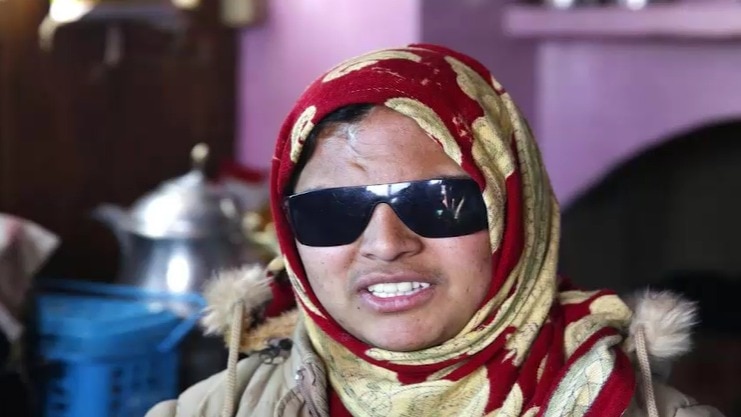
A decade after being blinded by pellet gun fire, Insha, a resident of Kashmir, has renewed calls for a complete ban on the weapon. Insha was just 14 years old when she was hit by pellet gun shots, resulting in the permanent loss of vision in both her eyes. The incident occurred during protests at Jantar Mantar, which have recently brought renewed attention to the use of pellet guns. Her personal experience highlights the devastating and long-lasting consequences of these weapons. The ongoing debate surrounding the use of pellet guns, particularly in conflict zones, is fueled by cases like Insha's. Activists and victims continue to advocate for alternative crowd control methods that do not cause severe or permanent injury. The demand for a ban is rooted in the severe human rights implications of using such indiscriminate weapons.
The use of pellet guns as a crowd control measure raises significant ethical and human rights concerns, particularly given their documented capacity to cause severe and permanent injuries, including blindness. The case of Insha, who lost her sight at a young age due to pellet gun fire, exemplifies the devastating impact on individuals and communities. This situation highlights a systemic tension between state security objectives and the protection of civilian rights. Future approaches to public order management may need to prioritize less lethal and more precise technologies, alongside robust oversight mechanisms, to prevent such tragedies and uphold international humanitarian standards. Examining the long-term societal costs, including trauma and disability, is crucial for developing more humane and effective public safety strategies in the coming decade.
AI-generated to prompt reflection — not editorial opinion, not advice, not a statement of fact. How this works.