Kathmandu Cervical Cancer Screening Reveals Widespread HPV Infections
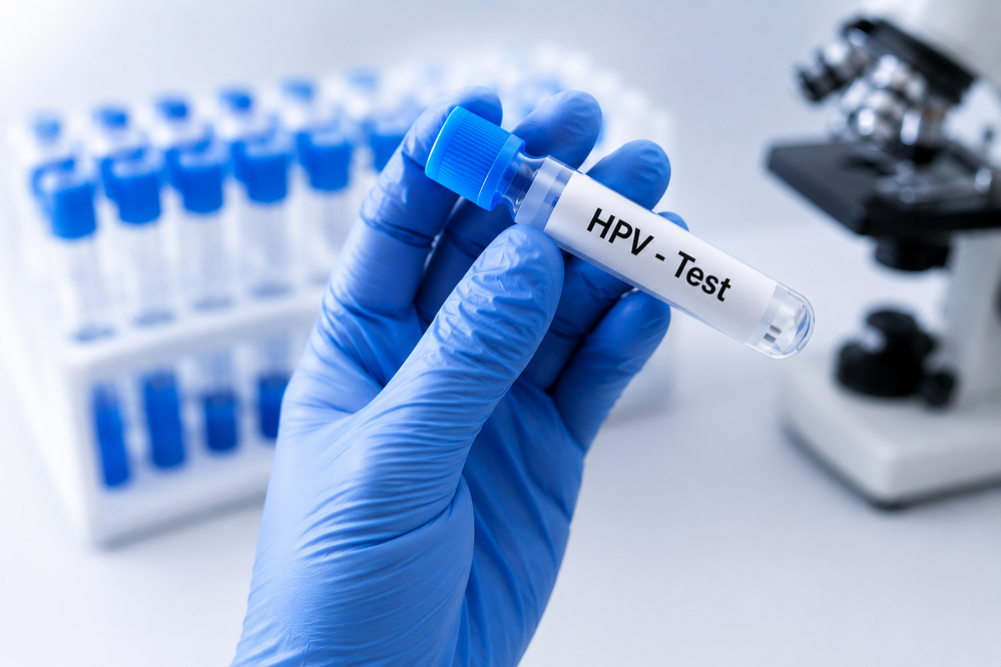
A recent cervical cancer screening initiative conducted in Kathmandu has identified 90 women who tested positive for Human Papillomavirus (HPV). This finding is significant as it highlights the presence of multiple HPV types circulating within the population. The routine immunization program in Nepal currently includes an HPV vaccine that specifically targets HPV types 16 and 18. However, the screening results indicate infections with a broader range of HPV types, some of which are not covered by the existing vaccine. This suggests a potential gap in current preventive strategies against HPV-related cancers. Further investigation into the specific HPV types identified and their prevalence is warranted to inform public health interventions. The screening program aimed to detect early signs of cervical abnormalities and provide necessary follow-up care to the affected women. The findings underscore the importance of ongoing surveillance and potentially updating vaccination strategies to address the evolving landscape of HPV infections.
The screening results from Kathmandu indicate that the current HPV vaccine, while targeting specific high-risk types (16 and 18), may not offer comprehensive protection against the full spectrum of HPV infections prevalent in the community. This situation presents a public health challenge, necessitating a review of vaccine efficacy against circulating strains and the potential need for broader-spectrum vaccines or complementary screening strategies. Understanding the epidemiological dynamics of various HPV types is crucial for optimizing cervical cancer prevention programs. Future public health policy may need to consider the cost-effectiveness and logistical feasibility of incorporating newer vaccines or enhancing screening protocols to mitigate the long-term burden of HPV-related diseases.
AI-generated to prompt reflection — not editorial opinion, not advice, not a statement of fact. How this works.