Kathmandu Cooperatives Fail to Return Over NPR 8 Billion to 10,000 Savers
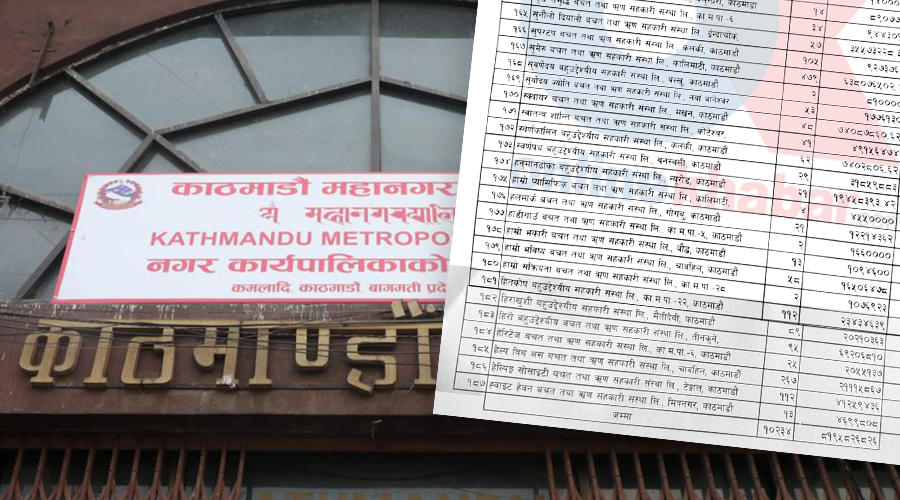
According to the Kathmandu Metropolitan City, 187 cooperatives have failed to return a total of 8 billion, 195 million, 826 thousand Nepalese Rupees (NPR 8.19 billion). These funds were requested by 10,234 depositors who are now unable to access their savings. The metropolitan city has identified these cooperatives as having outstanding liabilities to their members. The significant amount of money owed highlights a substantial financial issue within the cooperative sector operating under the city's jurisdiction. The situation affects a large number of individuals who rely on these savings for various financial needs. The Kathmandu Metropolitan City is reportedly monitoring the situation and exploring potential avenues for resolution. However, the immediate outlook for the affected depositors remains uncertain as the cooperatives struggle to meet their obligations. This represents a major financial distress for thousands of citizens within the capital.
The inability of 187 cooperatives in Kathmandu Metropolitan City to return over NPR 8.19 billion to 10,234 depositors points to systemic issues in financial oversight and governance within the cooperative sector. This situation likely stems from a combination of poor risk management by the cooperatives themselves and potentially inadequate regulatory frameworks or enforcement by the metropolitan authorities. The substantial sum involved suggests that these are not isolated incidents but indicative of broader challenges in ensuring the financial health and accountability of such institutions. Moving forward, a critical review of lending practices, investment strategies, and internal controls within these cooperatives is necessary. Furthermore, strengthening the regulatory and supervisory mechanisms of the Kathmandu Metropolitan City will be crucial to prevent future occurrences and protect the savings of citizens in the evolving economic landscape.
AI-generated to prompt reflection — not editorial opinion, not advice, not a statement of fact. How this works.