Kathmandu District Court Explains Why High-Profile Figures Can't Be Summoned in Fake Refugee Case
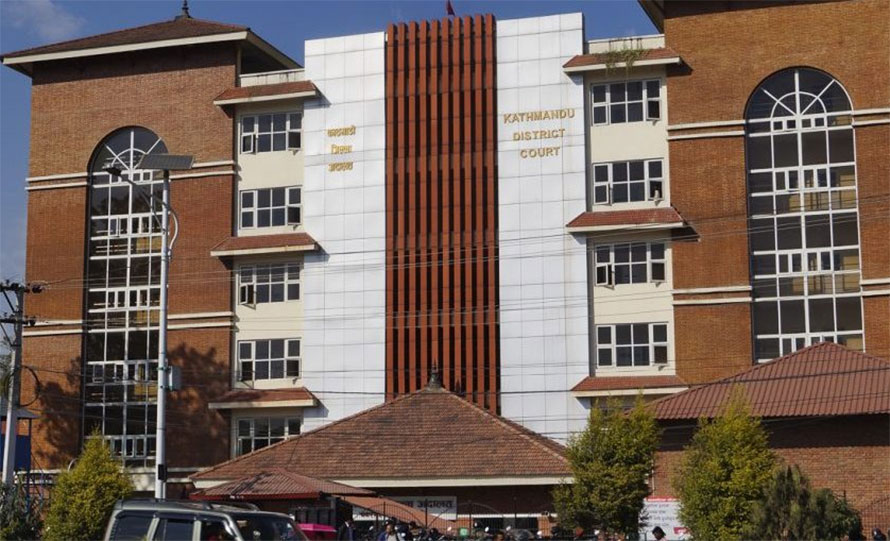
The Kathmandu District Court has clarified that it cannot summon high-profile individuals implicated in the fake refugee case, but against whom no charges have been filed, for testimony. The court stated this inability stems from the prosecution not submitting further charge sheets. This clarification came during the final hearing of the fake refugee case. Some legal practitioners representing certain complainants had requested that individuals involved in the case but not formally charged be summoned for statements. However, the court explained that without the necessary legal documents and charges, it lacks the authority to compel their appearance. The court's decision highlights the procedural limitations it faces when dealing with individuals whose involvement is alleged but not formally prosecuted. This situation underscores the importance of complete and formal documentation in the legal process for ensuring accountability.
The Kathmandu District Court's explanation in the fake refugee case reveals a procedural bottleneck where individuals implicated but not charged cannot be compelled to testify. This situation highlights the critical role of prosecutorial discretion and the completeness of charge sheets in initiating legal proceedings against all potentially involved parties. From a systemic perspective, such gaps can lead to perceptions of inequity if high-profile individuals appear to evade scrutiny due to incomplete legal filings. Moving forward, ensuring robust investigative processes and comprehensive charge sheets will be crucial for maintaining public trust and the integrity of the justice system, especially in cases involving significant public figures.
AI-generated to prompt reflection — not editorial opinion, not advice, not a statement of fact. How this works.