Kathmandu's Kaiser Mahal Palace and Garden of Dreams: A Search for Ancient Manuscripts
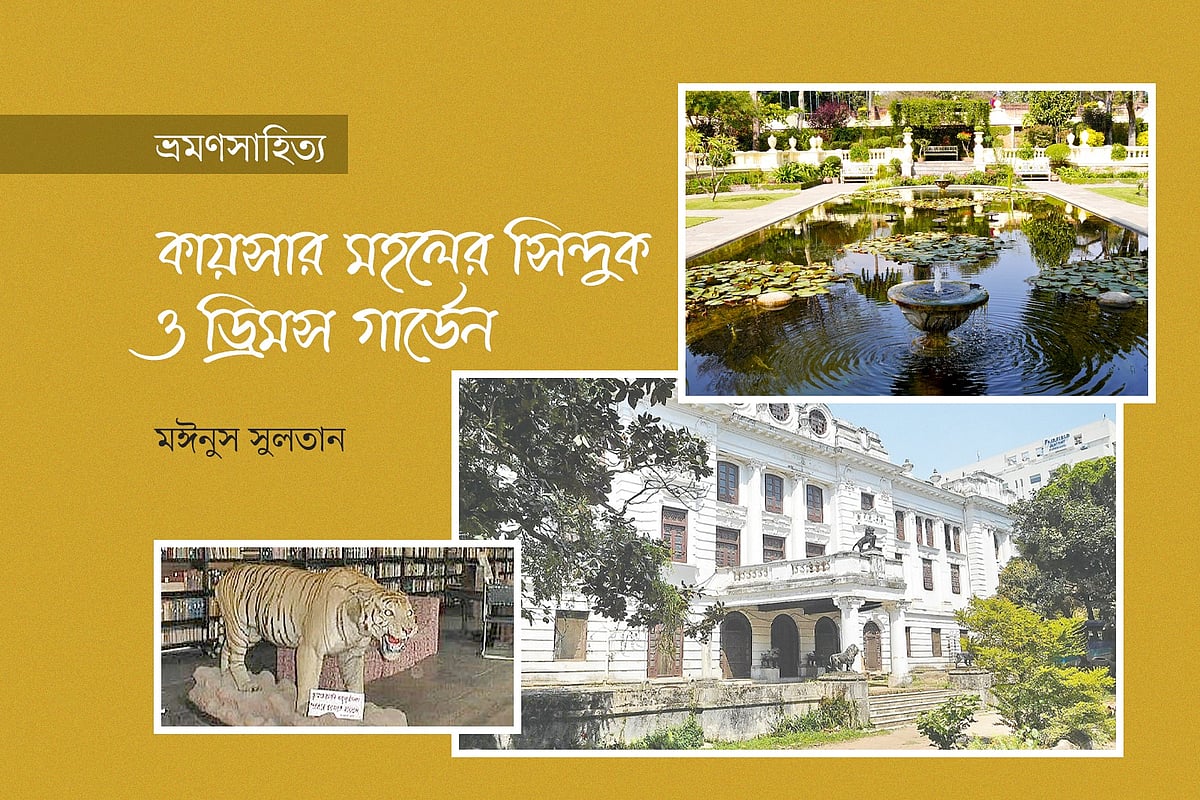
The author visited Kaiser Mahal, a palace in Kathmandu, Nepal, built by Field Marshal Shamsher Jang Bahadur Rana, a hereditary Prime Minister. The palace grounds include the 'Garden of Dreams,' known for its rare flora and European-inspired architecture. The author was scheduled to meet with Suryanath Koirala, a researcher from Tribhuvan University, who had promised to show ancient Bengali manuscripts from the palace library. Koirala, however, was consistently late, causing frustration for the author, who had previously waited for him for two hours. The palace itself, built in an Edwardian style, features artificial ponds, sculptures, and birdhouses, reflecting the owner's travels in Europe. Inside, the library houses thousands of books, many printed in the late 19th century in Europe, alongside taxidermied animals and historical documents. The collection was reportedly amassed by Krishna Chandra Devi, the Ranas' queen. The search for the manuscripts led to the discovery of several wooden chests in a dimly lit room. The library assistant, Bholanath Shrestha, explained that some manuscripts were original, while others were copies made by scribes from texts originally housed in Nepal's Royal Library, which was later destroyed by fire. Despite extensive searching, the keys to the chests could not be found. In one attempt to open a drawer, several cockroaches emerged, and a fragile palm-leaf manuscript, possibly comparable to the 'Gitagovinda,' was accidentally damaged and disintegrated. Shrestha suggested contacting a former library attendant, Thapaliya, who might know the location of the keys. The author, facing departure, declined to return for further attempts, opting instead to observe the migratory birds that frequent the garden.
This narrative highlights the challenges in preserving and accessing historical artifacts, particularly manuscripts, within evolving institutional frameworks. The story illustrates how bureaucratic delays, inconsistent record-keeping, and the physical degradation of materials can impede scholarly research. The author's experience underscores the importance of robust archival practices and the fragility of cultural heritage, especially when faced with resource limitations or institutional neglect. The incident with the palm-leaf manuscript serves as a stark reminder of the irreversible loss that can occur when preservation efforts are not adequately supported. Future efforts in cultural heritage management should focus on proactive conservation, digital archiving, and ensuring accessible pathways for researchers to engage with these invaluable historical records.
AI-generated to prompt reflection — not editorial opinion, not advice, not a statement of fact. How this works.