Kathmandu's Sidewalks Fail to Reach Destinations, Endangering Pedestrians
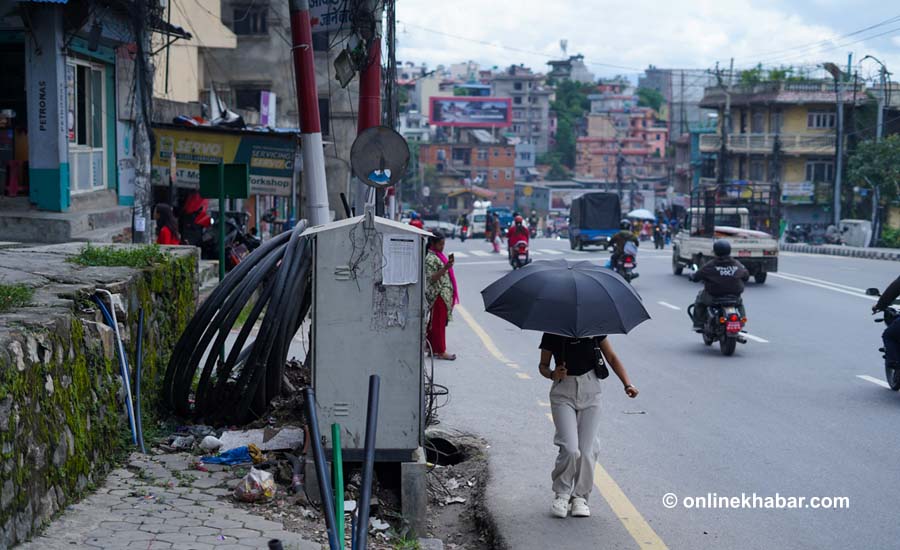
Pedestrian safety in Nepal is a critical concern, as evidenced by recent statistics from the Nepal Police. Over the past six years, a staggering 3,212 pedestrians have lost their lives. This data highlights the perilous conditions faced by those traveling on foot, particularly in urban areas like Kathmandu, where sidewalks are often inadequate or fail to provide a safe passage to their intended destinations. The high fatality rate underscores a systemic issue with pedestrian infrastructure and safety measures. The figures suggest a significant public health crisis that requires immediate and comprehensive intervention. Addressing the root causes of these accidents, such as poorly maintained or non-existent sidewalks and a lack of pedestrian-focused urban planning, is paramount. The Nepal Police data serves as a stark reminder of the urgent need for improved road safety policies and enforcement to protect vulnerable road users.
The alarming number of pedestrian fatalities in Nepal over six years, totaling 3,212, points to a critical failure in urban planning and infrastructure development that prioritizes vehicular traffic over human safety. This systemic neglect creates hazardous conditions, particularly for vulnerable populations who rely on walking for transportation. The data suggests that current policies are insufficient to mitigate risks, indicating a need for a re-evaluation of resource allocation towards pedestrian-friendly infrastructure. Looking ahead, as urbanization accelerates, addressing these foundational safety issues will be crucial to prevent a worsening public health crisis and ensure equitable access to mobility in the coming decade. The incentive structures for urban development must shift to incorporate robust pedestrian safety as a core requirement, not an afterthought.
AI-generated to prompt reflection — not editorial opinion, not advice, not a statement of fact. How this works.