Kathmandu Valley Enhances Traffic Enforcement with CCTV and Digital Fines
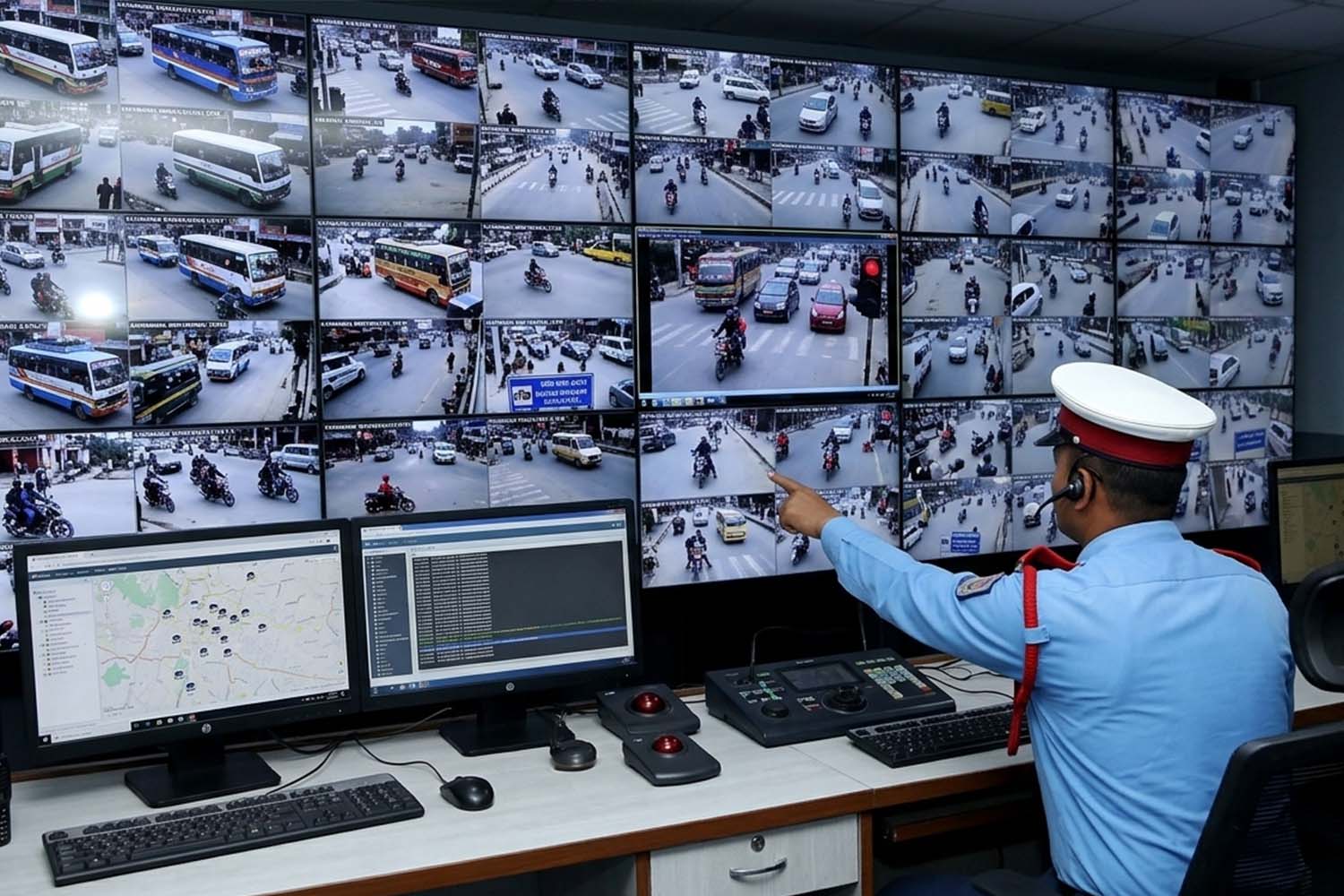
Traffic police in the Kathmandu Valley are significantly upgrading their enforcement capabilities by leveraging real-time CCTV camera feeds. This technology allows officers to monitor traffic flow and detect violations as they occur. The authorities are also moving towards a fully digital system designed to issue traffic fines remotely. This initiative aims to improve compliance with traffic laws and streamline the penalty process for drivers. The introduction of remote ticketing is expected to increase the efficiency of traffic management within the valley. By utilizing advanced surveillance, the police hope to create a safer and more orderly road environment. This modernization reflects a broader trend in urban traffic management, focusing on technological solutions for better enforcement and public safety. The goal is to deter violations and ensure that traffic rules are respected more consistently across the region.
The implementation of CCTV-based traffic enforcement and a move towards digital, remote fine issuance in Kathmandu Valley represent a strategic adoption of technology to address urban traffic management challenges. This approach leverages real-time data and automated processes to enhance compliance and potentially reduce human error or discretion in enforcement. The system's effectiveness will depend on factors such as camera coverage, data processing infrastructure, and the legal framework supporting remote ticketing. From a systems perspective, this initiative could lead to more predictable traffic behavior and improved road safety over the next decade. However, considerations around data privacy, the potential for algorithmic bias in violation detection, and equitable access to dispute resolution mechanisms will be crucial for its long-term success and public acceptance.
AI-generated to prompt reflection — not editorial opinion, not advice, not a statement of fact. How this works.