Katy Perry Slams White House for Unauthorized Use of 'Firework' in Military Video
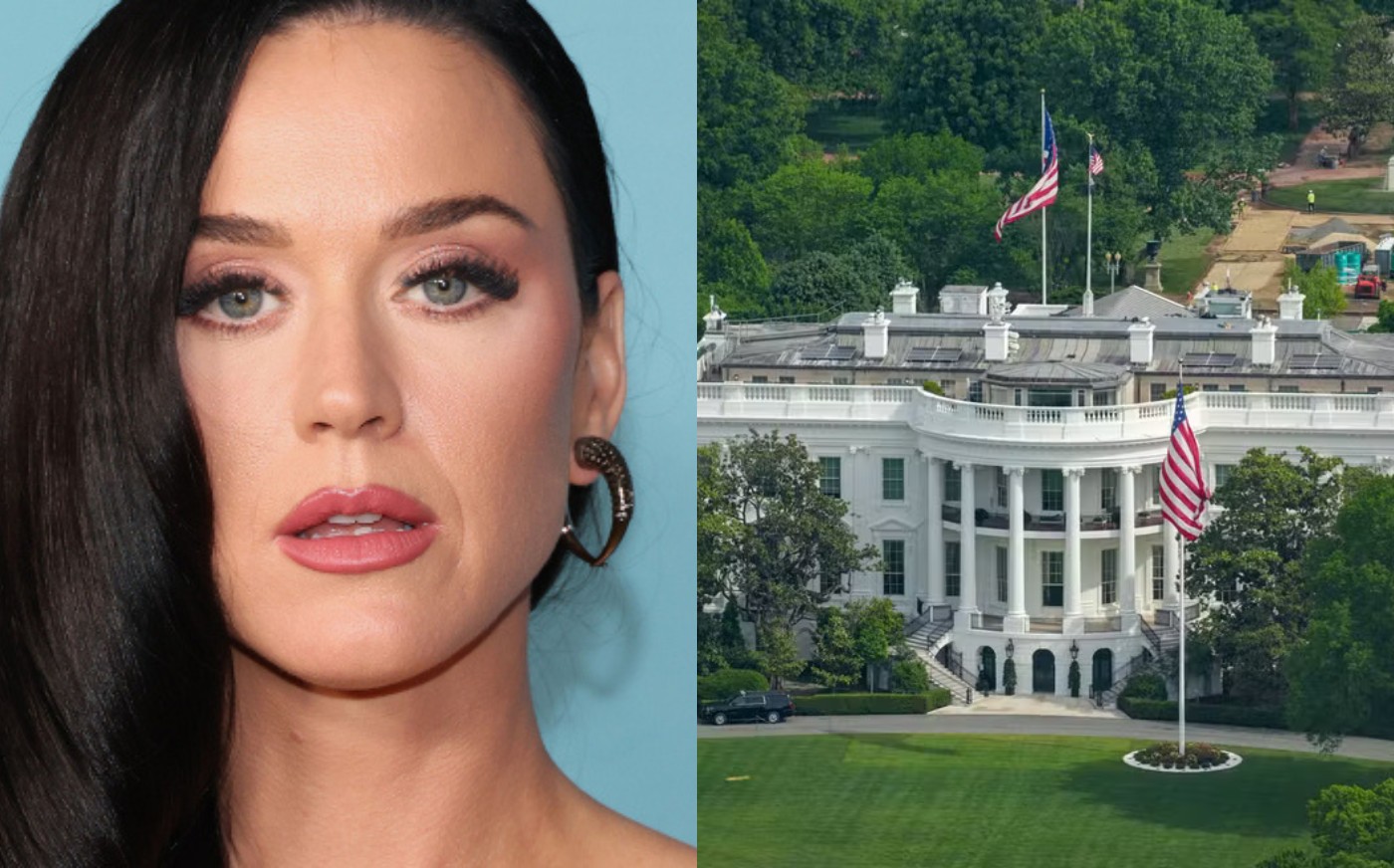
Pop superstar Katy Perry has publicly condemned the White House for using her hit song 'Firework' as the soundtrack to a TikTok video featuring military attack footage. Perry expressed her deep indignation and fury, stating unequivocally that she was neither consulted nor did she grant authorization for her music to be used in this context. She emphasized that 'Firework,' released in 2010, was intended to convey a powerful message of hope, healing, and inner strength, particularly for individuals navigating difficult times. The singer asserted that employing a song promoting self-esteem and encouragement as a backdrop for destruction and violence represents a complete violation of its core meaning. Perry's statement highlighted the stark contrast between the song's uplifting themes and the militaristic imagery presented by the White House. As of this report, the White House had not issued a response to Perry's criticism. This incident follows a pattern of the White House's official TikTok account utilizing pop culture references and trends to engage younger audiences, which has previously drawn criticism from other artists. Notably, singer Sabrina Carpenter also criticized the White House in December 2025 for using her image in a video related to immigration enforcement, deeming it 'repugnant' and stating she did not want to be associated with what she called a 'dehumanizing agenda.'
The White House's use of Katy Perry's 'Firework' in a military context, without artist consent, highlights a recurring tension between governmental communication strategies and intellectual property rights in the digital age. This practice, while potentially aiming to leverage popular culture for broader reach, risks alienating artists and undermining the intended messages of their work. Future governmental outreach via social media platforms will need to navigate more robustly the legal and ethical frameworks surrounding music licensing and artist endorsement. Such incidents underscore the evolving landscape of digital content creation and the importance of clear consent protocols to maintain public trust and uphold creative integrity, particularly as AI-generated content and deepfakes further complicate attribution and authorization.
AI-generated to prompt reflection — not editorial opinion, not advice, not a statement of fact. How this works.