KAWS Exhibition at Vienna's Albertina Modern Bridges Pop Culture and High Art
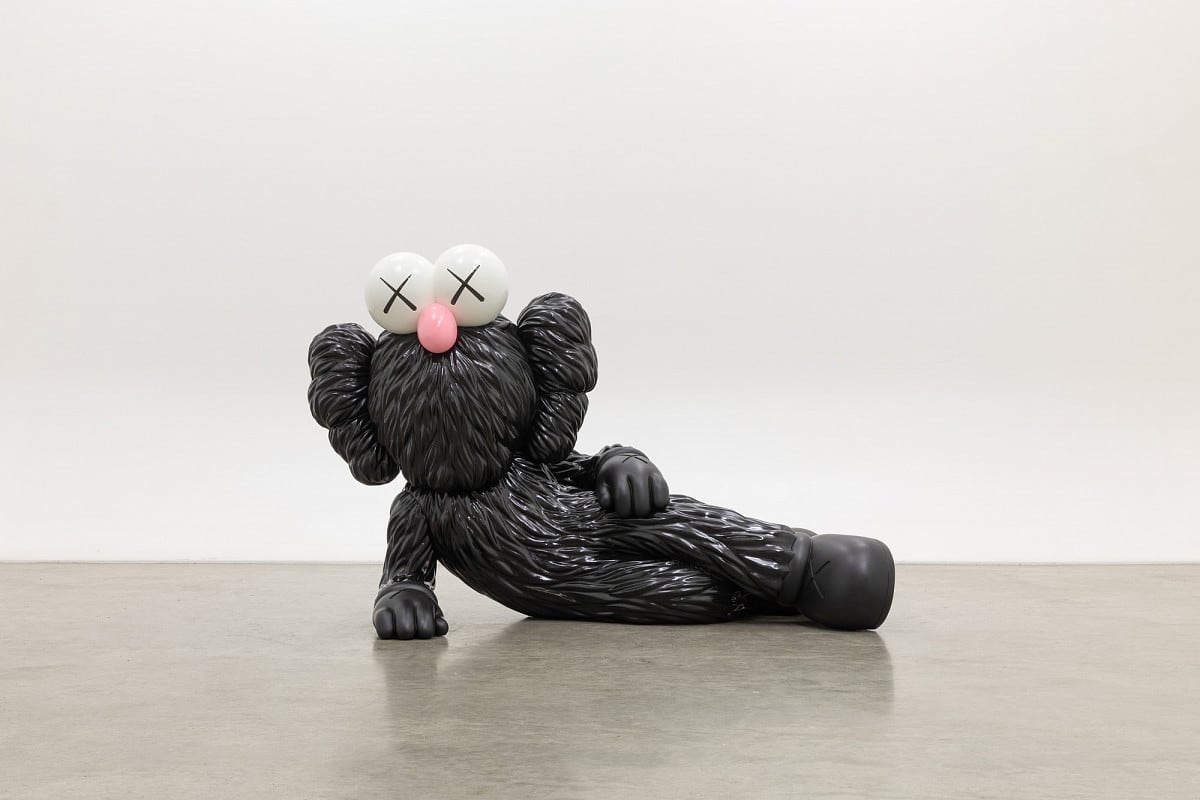
Vienna's Albertina Modern contemporary art museum is hosting an exhibition that positions the work of New York-based artist KAWS alongside established masters. The exhibition aims to highlight KAWS as a spiritual successor to art icons Keith Haring and Andy Warhol. It seeks to demonstrate how KAWS bridges the gap between everyday, popular culture and elevated fine art. The museum also champions the comic strip as a universal language. This artistic language is presented as capable of transcending both national borders and social hierarchies. The exhibition showcases KAWS's unique ability to connect with a broad audience through his distinctive style. By juxtaposing his creations with those of renowned artists, the museum underscores the artistic merit and cultural significance of his work. The Albertina Modern's presentation emphasizes the democratizing power of art and its potential to resonate across diverse communities.
This exhibition at the Albertina Modern highlights the evolving landscape of contemporary art, where distinctions between 'high art' and popular culture continue to blur. By featuring KAWS, an artist whose work draws heavily from commercial graphics and cartoons, alongside historical figures like Haring and Warhol, the museum signals a broader acceptance of diverse artistic influences. This approach challenges traditional notions of artistic hierarchy and suggests that the universal appeal and accessibility of certain visual languages, such as those found in comics, can foster greater social and cultural integration. The curatorial decision reflects a growing trend in the art world to engage with contemporary cultural phenomena and to explore how these can be integrated into established artistic discourse, potentially broadening the audience for fine art and acknowledging the cultural impact of artists working outside traditional academic frameworks.
AI-generated to prompt reflection — not editorial opinion, not advice, not a statement of fact. How this works.
