KDI: AI to Replace 250,000 Jobs in 10 Years, Boosting Productivity
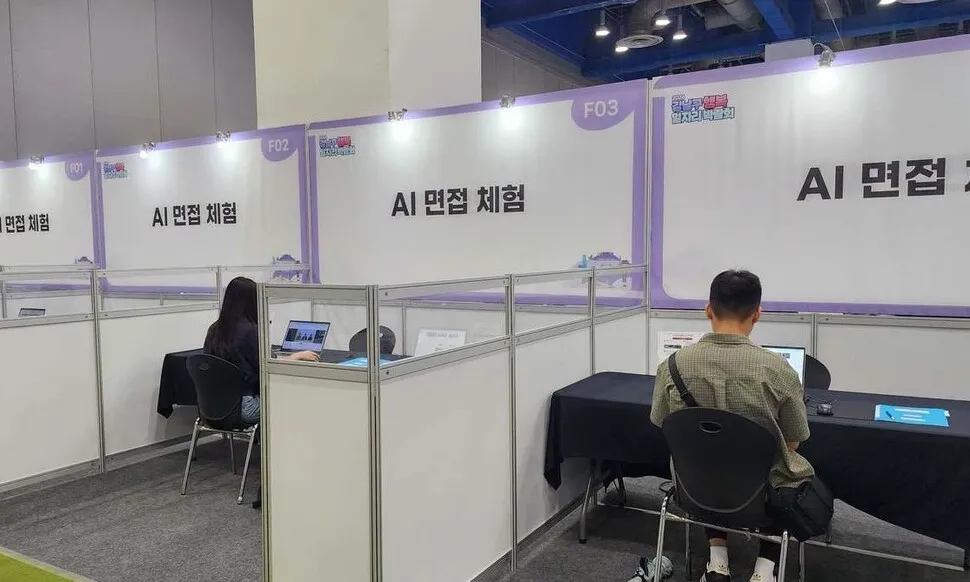
The Korea Development Institute (KDI) has projected that artificial intelligence (AI) will replace approximately 250,000 jobs in South Korea within the next decade. This significant displacement is expected to occur as AI technologies become more integrated into various industries. Despite the potential job losses, the KDI report also forecasts a substantial increase in overall productivity across the economy. The institute suggests that while certain roles will be automated, AI's capabilities will likely enhance efficiency and output in many sectors. This dual impact of job displacement and productivity gains highlights a critical transition phase for the South Korean labor market. The KDI's findings underscore the need for proactive strategies to manage the societal and economic shifts associated with advanced automation. Preparing the workforce for new roles and adapting educational systems will be crucial to navigating this technological transformation. The institute's analysis points to a future where human workers may need to collaborate with AI systems, focusing on tasks that require creativity, critical thinking, and emotional intelligence.
AI's integration into the South Korean economy presents a complex duality of job displacement and productivity enhancement, a pattern observed globally. The KDI's projection of 250,000 jobs potentially being replaced within ten years signals a significant structural shift. This necessitates forward-thinking policy interventions focused on reskilling and upskilling the workforce to align with emerging AI-augmented roles. The anticipated productivity gains could offer a pathway to economic growth, but realizing this potential hinges on equitable distribution of benefits and robust social safety nets to mitigate the impact on displaced workers. Navigating this transition requires careful consideration of how to foster human-AI collaboration, ensuring that technological advancement serves broader societal well-being rather than exacerbating inequality.
AI-generated to prompt reflection — not editorial opinion, not advice, not a statement of fact. How this works.