Keep Small, Potentially Hazardous Household Items Out of Reach of Young Children
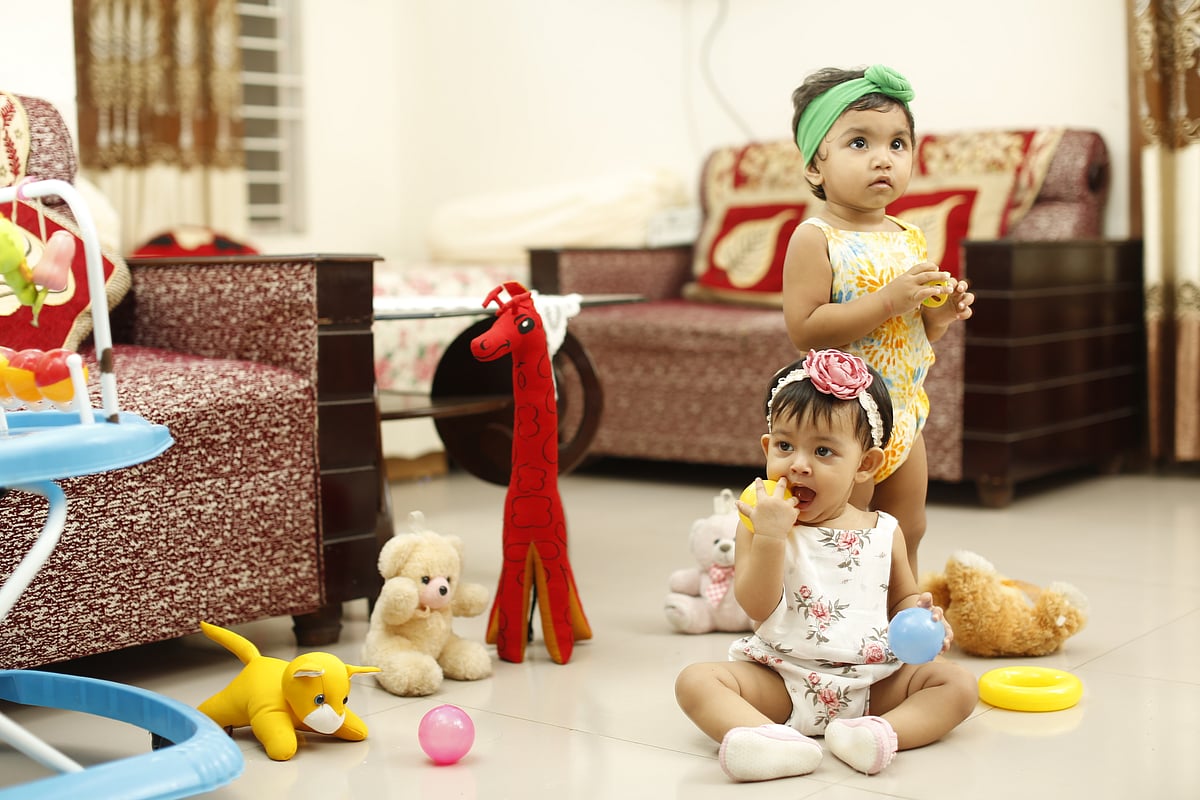
Young children are at risk of choking on small household items that can obstruct their airways, potentially leading to severe breathing difficulties or even death. Dr. Tasnuva Khan, a pediatrician at Sreenagar Upazila Health Complex in Munshiganj, emphasizes that children, especially those under two years old, have less control over their throat muscles, increasing their vulnerability. Even adults can choke on food, but the risk is significantly higher for infants and toddlers. Items like fruit seeds, small stones from potted plants, or even clothing pins can pose a danger if ingested. It is crucial for caregivers to be vigilant about keeping any object a child can fit in their mouth away from them. This includes small toys with detachable parts, marbles, pebbles, coins, small batteries from watches, magnets, buttons, and any medications or cleaning products. Special care should be taken with food, ensuring it is prepared according to the child's age and chewing ability. For instance, food should be mashed for six-month-olds and served in soft, manageable pieces for toddlers. Even after children learn to chew, food should be cut into manageable, elongated pieces for those over two years old. The pediatrician advises against giving children nuts, candies, or lollipops before the age of five. Additionally, children should be taught from a young age to eat attentively, without distractions like digital screens, and to avoid talking or laughing while eating. Caregivers should also be mindful of older siblings' toys, ensuring small or broken parts are kept out of reach of younger children. Beautifying homes with small stones in plant pots should also be avoided when very young children are present.
This advisory highlights a critical safety concern regarding common household objects and food items posing choking hazards to young children. The advice focuses on preventative measures, emphasizing caregiver vigilance and age-appropriate food preparation. From a systemic perspective, the information underscores the need for robust product safety standards for toys and household goods, particularly those with small, detachable, or ingestible components. It also points to the importance of public health education campaigns that reach parents and guardians, reinforcing safe feeding practices and environmental hazard awareness. Looking ahead, as smart home technologies and interactive toys become more prevalent, ensuring these devices and their accessories are designed with child safety as a paramount concern will be increasingly vital to prevent accidental harm in the domestic environment.
AI-generated to prompt reflection — not editorial opinion, not advice, not a statement of fact. How this works.