Keiko Fujimori Elected Peru's President After Close Election
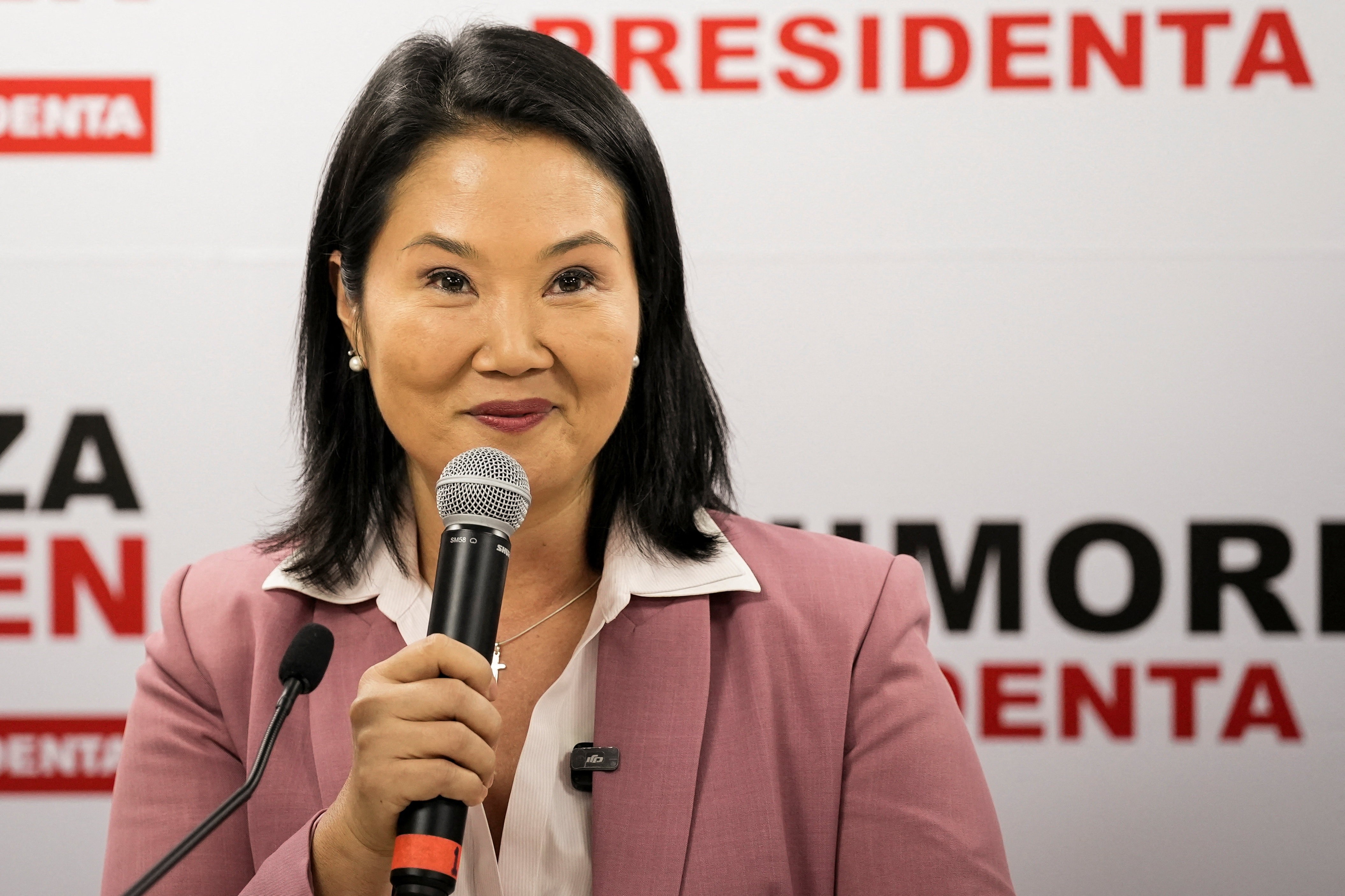
Keiko Fujimori has been declared the new president-elect of Peru, with her victory officially ratified by the National Electoral Jury (JNE) on Friday, June 3rd. The right-wing candidate secured 50.135% of the vote, narrowly defeating her left-wing opponent, Congressman Roberto Sánchez, who garnered 49.865%. The final vote count showed a razor-thin margin of only 49,641 votes separating the two candidates. The election, held on June 7th, concluded after weeks of vote tabulation, revealing a deeply polarized nation. The JNE dismissed a request from Sánchez's party to invalidate votes cast abroad, a move that would have favored him had only domestic votes been counted. Sánchez has indicated he will not accept the results and plans to protest at the Inter-American Court of Human Rights, alleging fraud and irregularities in the handling of overseas ballots. Fujimori, who had previously claimed a de facto victory on June 24th, acknowledged the country's division and pledged to unite Peruvians. She is set to assume leadership amid rising crime and significant social challenges, and is expected to face difficulties negotiating with a fragmented legislature. Fujimori, daughter of former dictator Alberto Fujimori, inherits a presidency marked by profound political instability. She replaces interim President José María Balcázar Zelada, who served only four months, following a succession of short-lived presidencies marked by scandals and political turmoil. Peru has experienced severe political instability over the past decade, with eight different presidents in the last eight years.
This election outcome highlights Peru's persistent political polarization and institutional fragility. The extremely narrow victory margin and the defeated candidate's immediate challenge underscore the deep societal divisions and the contested nature of electoral legitimacy. Fujimori's presidency will likely be defined by the challenge of governing a fractured nation, balancing competing interests, and addressing pressing social and economic issues. The recurring pattern of presidential instability and impeachment suggests systemic governance challenges that may persist, irrespective of the leader. Future political stability may depend on strengthening democratic institutions, fostering broader consensus, and addressing the underlying causes of public discontent and political fragmentation, potentially through reforms that enhance accountability and representation across the political spectrum.
AI-generated to prompt reflection — not editorial opinion, not advice, not a statement of fact. How this works.