Keiko Fujimori Faces Uphill Battle as Peru's Ninth President in a Decade
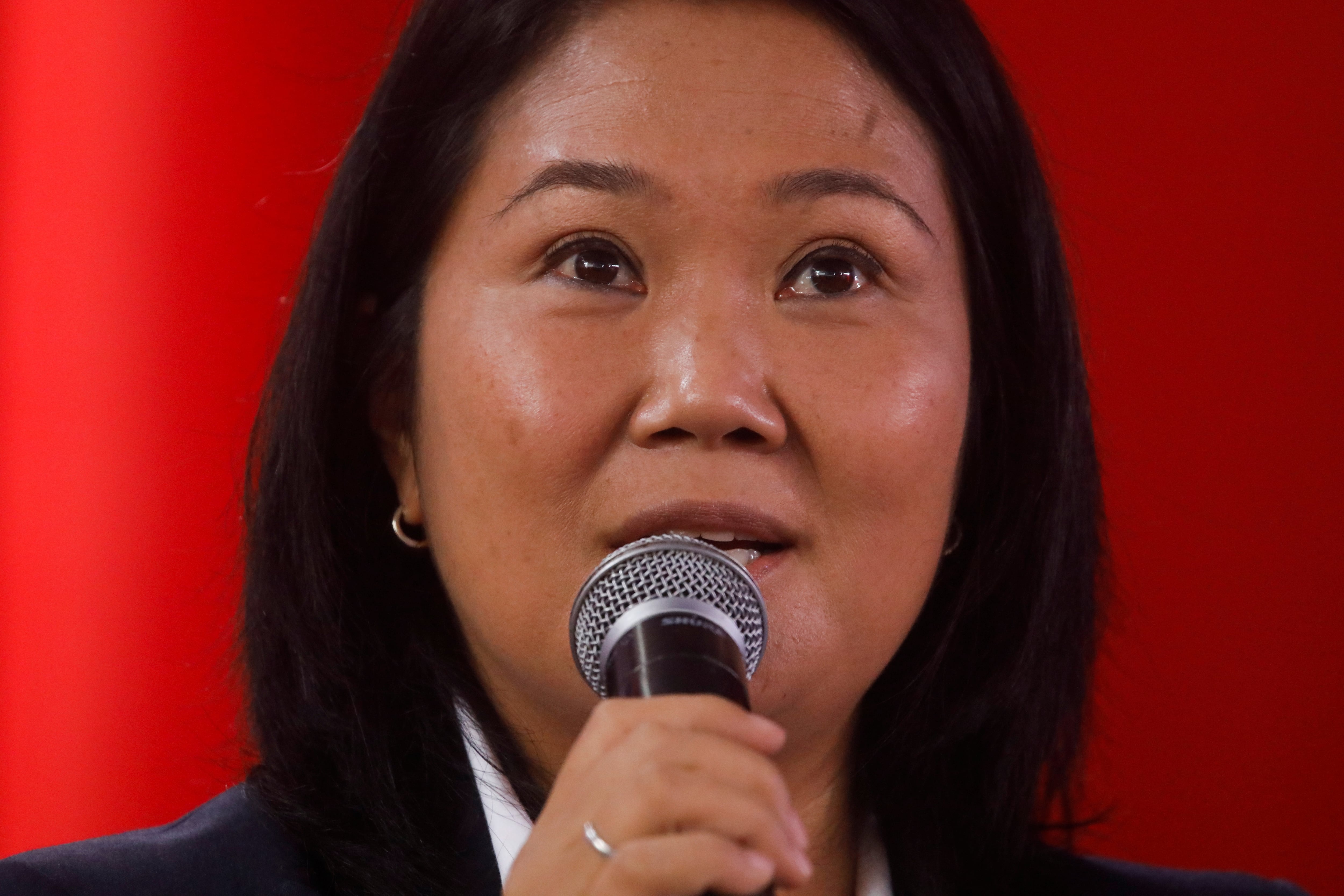
Keiko Fujimori has been elected president of Peru, marking her fourth attempt at the office. She inherits a nation grappling with significant challenges, including the impending El Niño phenomenon and rampant crime. A unique hurdle for Fujimori is the prospect of completing her term, as Peru has seen its ninth president in just ten years. This decade of political instability, termed a 'horribilis decennium,' has stalled crucial investments in mining and infrastructure, negatively impacting the country's progress and competitiveness. Despite being a mining nation, Peru has lost its edge in this sector, with its potential economic growth falling short of its actual performance.
Fujimori does possess certain advantages. Her right-wing coalition holds half the seats in the Senate, which now has the final say on presidential impeachment. Moreover, powerful de facto entities and many corporate executives express optimism about Peru's economic future under her leadership, favoring her pro-business stance. Media outlets also align with some of Fujimorismo's core policies. However, public trust remains a hurdle, as Fujimori advanced to the second round of elections with only 17% of the vote, indicating persistent anti-Fujimorismo sentiment.
Another significant challenge for Fujimori will be maintaining coherence between her stated policies and her party's actions. Her party's behavior in Congress has often contradicted her public commitments on citizen security, fundamental freedoms, anti-corruption efforts, and fiscal responsibility. A crucial task for Fujimori and Peru as a whole is to develop a long-term national vision after a decade of lost progress.
Peru's recurring presidential turnover highlights a systemic governance deficit, where short-term political maneuvering and coalition fragility impede long-term economic development and infrastructure planning. The influence of 'de facto powers' and corporate optimism suggests a potential alignment of elite interests with a pro-business agenda, which may or may not translate into broad-based public benefit or address the underlying causes of instability. The challenge for President Fujimori lies in navigating these entrenched interests while attempting to build public trust and foster a cohesive national vision, a difficult task given historical political fragmentation and the potential for party actions to diverge from presidential pronouncements. Future success will likely depend on institutional reforms that strengthen democratic accountability and reduce the susceptibility of governance to transient political coalitions and powerful non-elected actors.
AI-generated to prompt reflection — not editorial opinion, not advice, not a statement of fact. How this works.