Keiko Fujimori's Security Agenda: Crime Fighting and Governance
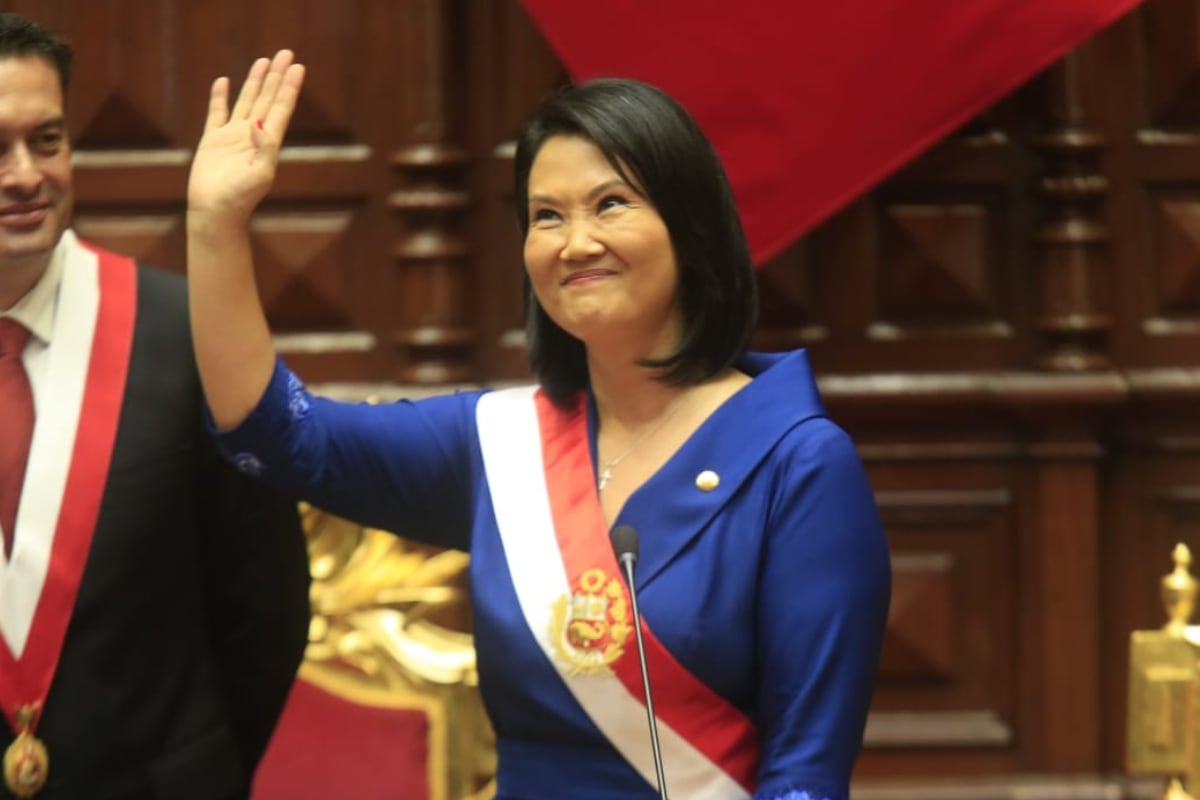
Keiko Fujimori, beginning her term as president for 2026-2031, has outlined her administration's security strategy. In her inaugural "Message to the Nation," she reiterated key measures aimed at bolstering public safety and combating organized crime. These initiatives include strengthening the National Police force and authorizing the deployment of the Armed Forces during states of emergency. Fujimori also emphasized a commitment to fighting extortion and organized criminal networks. Furthermore, her plan involves modernizing the technological capabilities of law enforcement agencies. These proposals were previously included in her government's platform.
President Fujimori's security agenda focuses on traditional state-centric approaches to crime, such as reinforcing police and military roles. While these measures address immediate concerns like extortion and organized crime, their long-term effectiveness hinges on implementation details and resource allocation. The strategy's emphasis on technological modernization is crucial in an evolving threat landscape. However, a comprehensive approach might also consider addressing socioeconomic root causes of crime and strengthening judicial independence to ensure sustainable public safety. The next decade will likely see increased reliance on data-driven policing and international cooperation, demanding adaptive governance structures.
AI-generated to prompt reflection — not editorial opinion, not advice, not a statement of fact. How this works.