Keiko Fujimori's Victory and Shifting Political Landscape in Latin America
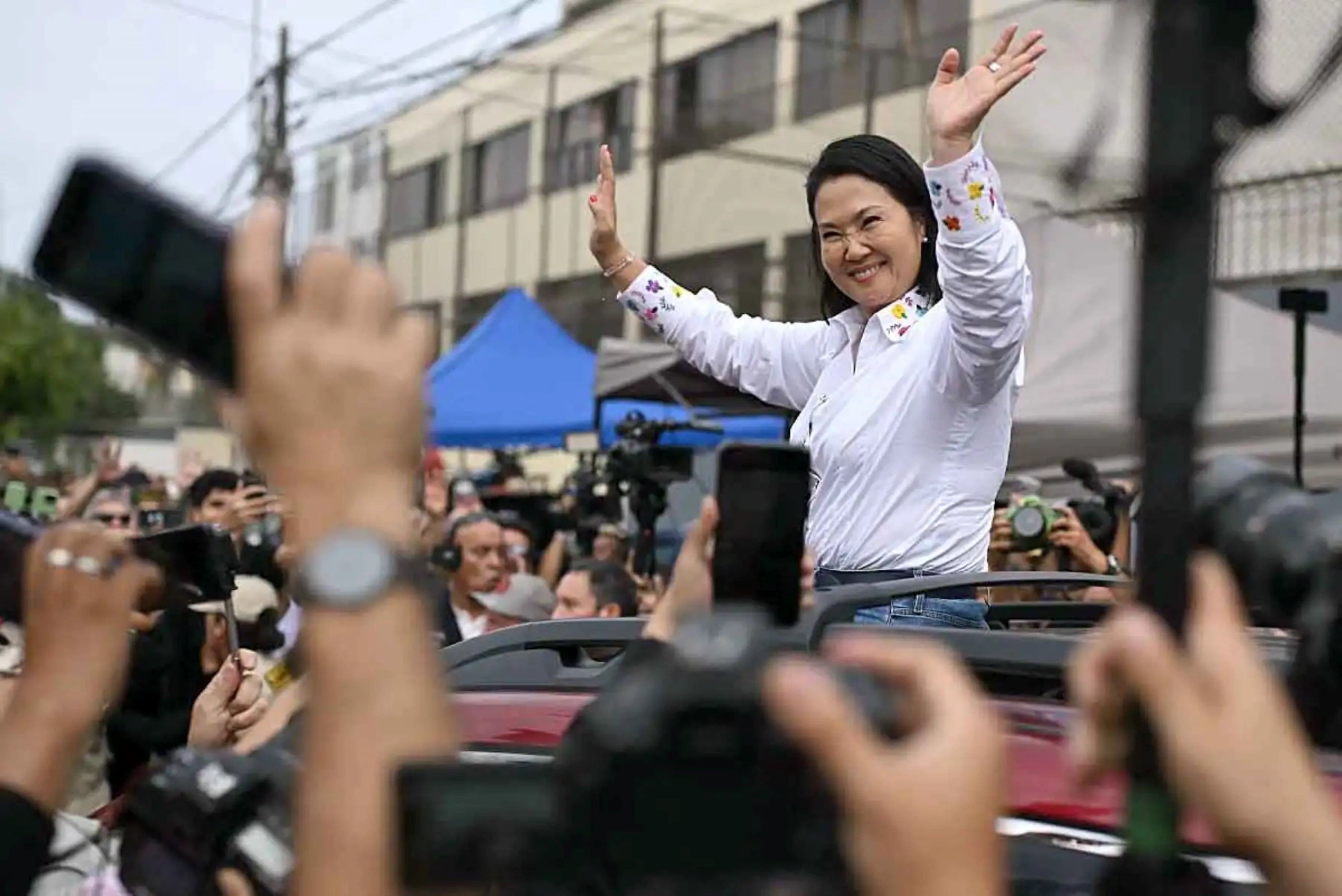
Keiko Fujimori has finally secured victory in Peru after multiple attempts, demonstrating her sustained leadership and ability to consolidate her party, Fuerza Popular. Unlike many personalist electoral vehicles that emerge and disappear within a single election cycle, Fuerza Popular has proven to be an anomaly in Peru's political system, which has been characterized by such transient parties since the late 1990s. The Keiko Fujimori who will now assume the presidency is notably different from the candidate in 2011; she has moderated her discourse, focusing on order amidst rising insecurity and organized crime. While previously labeled a populist right-wing figure, she has recently sought to reassure business sectors, expressing a desire for Julio Velarde to remain as president of the Central Bank to signal continuity in macroeconomic policy. Fujimori's win is seen as part of a broader trend of right-wing electoral successes across the region, following victories by figures like Milei, Kast, and Paz. These leaders, despite national differences, share a common thread of representing opposition to incumbent left-leaning governments. The upcoming Brazilian elections in October 2026 will provide further insight into whether this apparent regional shift towards the right continues. This analysis is provided by Hugo Jofré, a researcher at the Instituto Libertad.
The electoral success of Keiko Fujimori, alongside other right-leaning candidates in Latin America, suggests a potential regional recalibration. This phenomenon can be analyzed through the lens of voter responses to prevailing economic conditions, security concerns, and dissatisfaction with established political establishments. The trend indicates a demand for perceived stability and order, with voters potentially seeking alternatives to incumbent administrations perceived as ineffective. The continued prominence of figures like Julio Velarde, who represent macroeconomic continuity, highlights the tension between a desire for change and the need for economic predictability. Future elections, particularly in Brazil, will be crucial in determining the durability and extent of this political realignment, reflecting underlying societal preferences and the effectiveness of various governance models in addressing complex regional challenges.
AI-generated to prompt reflection — not editorial opinion, not advice, not a statement of fact. How this works.