Keiko Fujimori Secures Peruvian Presidency After Multiple Election Attempts
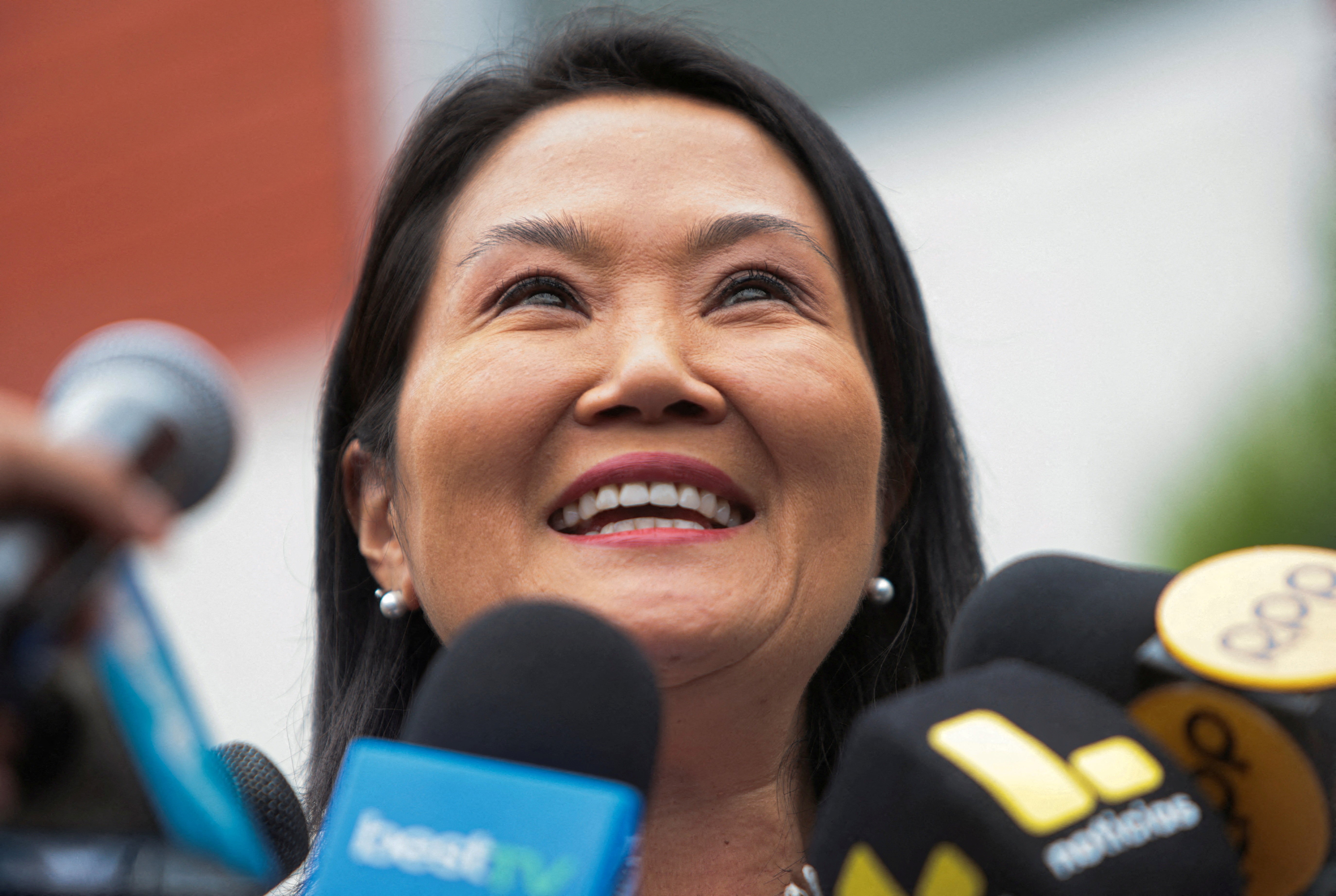
Keiko Fujimori has been elected president of Peru, securing a narrow victory of 50.135% against Roberto Sánchez's 49.865% in the final vote count by the National Jury of Elections. This marks a significant achievement for Fujimori, who had previously been defeated in three presidential elections in 2011, 2016, and 2021, earning her the moniker of the "eternal runner-up." At 51 years old, Fujimori, a business administration graduate from the United States, has been a prominent figure in Peruvian politics for over two decades, inheriting a deeply divisive political legacy from her father, former dictator Alberto Fujimori. She previously served as a congresswoman, holding the record for the most votes ever cast for a Peruvian parliamentarian in 2006. Her political career has also involved significant legal challenges, including investigations into alleged irregular campaign financing, which led to her being held in preventive detention twice between 2018 and 2020 for nearly 18 months. Fujimori campaigned on a platform of restoring order and stability, emphasizing security measures in response to rising violence, homicides, and extortion. Her proposed policies include stricter security laws, tougher anti-terrorism legislation, and an expanded role for the military in combating crime, echoing some of her father's past approaches. Despite her party, Fuerza Popular, securing 22 senators and 45 deputies, and right-wing parties holding a combined 30 seats in the Senate and 63 in the Chamber of Deputies, Fujimori faces the challenge of consolidating a strong legislative base. Her political brand, deeply intertwined with her surname, is described as well-positioned despite its controversial connotations, stemming from her father's authoritarian rule, corruption convictions, and human rights violations, alongside his success in combating guerrilla groups and hyperinflation.
Keiko Fujimori's ascent to the Peruvian presidency, after multiple electoral defeats, highlights the enduring influence of political dynasties and the persistent public demand for security and stability, even at the potential cost of democratic norms. Her platform, which echoes her father's authoritarian past, suggests a strategic pivot to address voter anxieties regarding crime and violence, leveraging a "tough on crime" narrative that has historically resonated in Peru. The election outcome underscores a complex interplay between historical memory, political branding, and contemporary governance challenges, particularly in a nation that has experienced significant political instability. Looking ahead, Fujimori's ability to navigate legislative complexities, manage public expectations, and balance security imperatives with democratic principles will be critical in shaping Peru's trajectory over the next decade.
AI-generated to prompt reflection — not editorial opinion, not advice, not a statement of fact. How this works.