Keiko Fujimori Takes Over as Peru's President Amidst Controversy
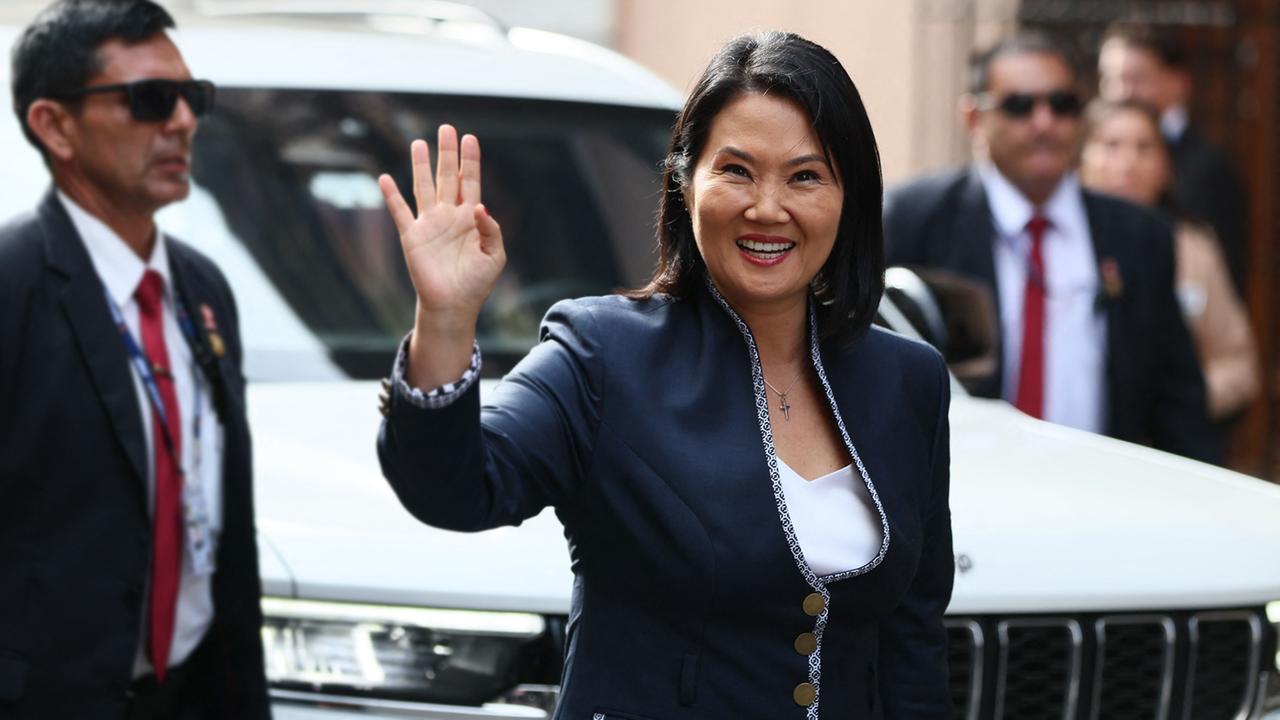
Keiko Fujimori has assumed the presidency of Peru, a move that has drawn significant controversy. Her ascent to power is met with mixed reactions from the public. Many citizens are expressing hope for increased security and stability under her leadership. However, a considerable portion of the population harbors fears that her presidency may perpetuate the existing power structures established by her father. This political transition marks a critical juncture for Peru, with expectations and anxieties running high regarding the future direction of the country.
Keiko Fujimori's assumption of the Peruvian presidency introduces a complex dynamic, balancing public hopes for enhanced security against concerns over dynastic political influence. The situation highlights a recurring tension in governance between the desire for strong leadership and the imperative to dismantle entrenched power structures that may impede democratic progress. As Peru navigates this period, the effectiveness of Fujimori's administration will likely be measured by its ability to foster broad-based trust, implement transparent policies, and address systemic issues, rather than solely relying on inherited political capital. The coming years will test the nation's capacity to evolve beyond historical patterns and embrace a future shaped by inclusive development and robust institutional reform.
AI-generated to prompt reflection — not editorial opinion, not advice, not a statement of fact. How this works.