Keir Starmer Resigns as Labour Leader, Citing Unsuitability for Next Election
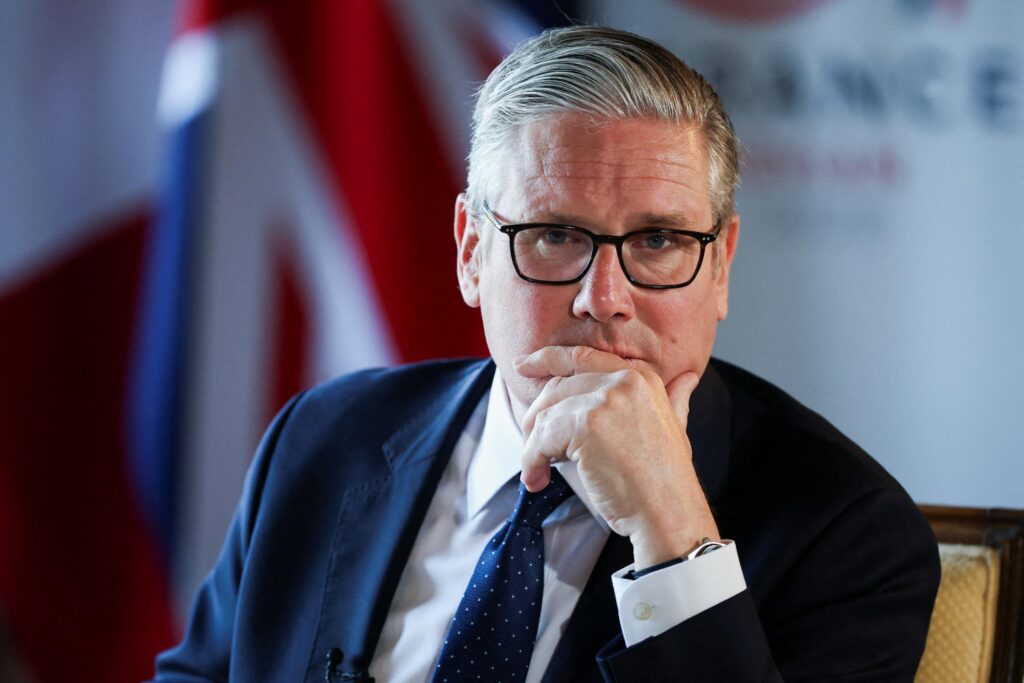
Keir Starmer has announced his resignation as the leader of the Labour Party, a move that will trigger a leadership contest to determine the next Prime Minister. In a statement delivered at Downing Street, Starmer declared that he believes he is not the most suitable person to guide the Labour Party into the upcoming general election. He has formally informed the King of his decision to step down from his leadership position. This development signifies a significant shift in the Labour Party's direction as it prepares for future electoral challenges. The party will now embark on a process to elect a new leader who will aim to unite the party and present a strong opposition. Starmer's departure marks the end of his tenure, and the focus now shifts to the internal party mechanisms for selecting his successor. The announcement comes as a surprise to many, given the current political landscape.
Keir Starmer's resignation as Labour leader, framed as a strategic decision based on suitability for the next general election, invites analysis of leadership transitions within major political parties. Such decisions often reflect a complex interplay of internal party dynamics, public perception, and electoral viability. The timing and stated rationale suggest an acknowledgment of challenges in galvanizing support or overcoming perceived obstacles to electoral success. This event underscores the inherent pressures on political leaders to adapt to evolving voter sentiment and internal party consensus, particularly in anticipation of significant electoral contests. The subsequent leadership contest will likely highlight differing visions for the party's future direction and its approach to key policy areas, influencing the broader political discourse over the coming months.
AI-generated to prompt reflection — not editorial opinion, not advice, not a statement of fact. How this works.