Keir Starmer resigns as UK Prime Minister; Andy Burnham to succeed him
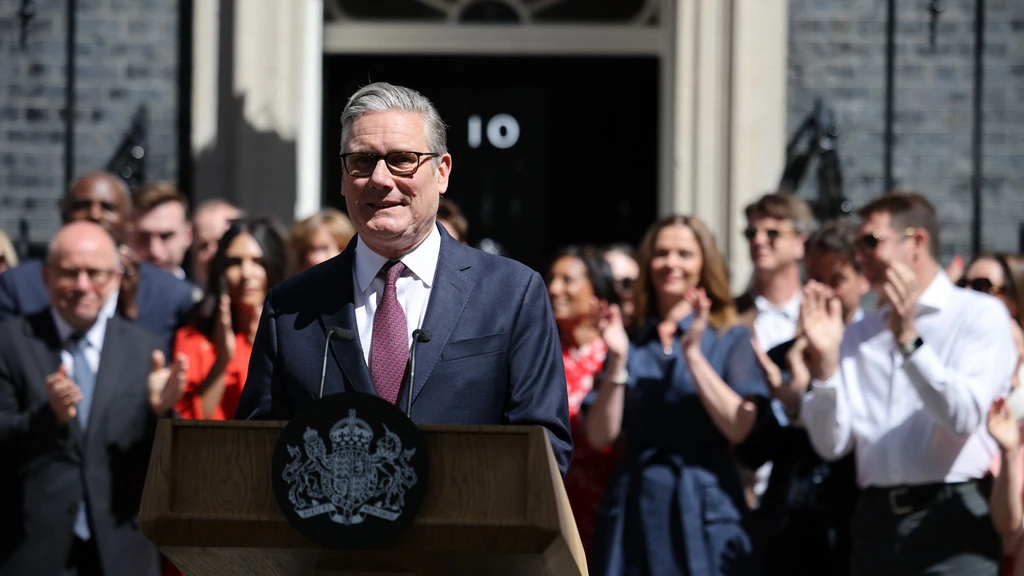
Keir Starmer has officially resigned as the Prime Minister of the United Kingdom, having submitted his resignation to King Charles at Buckingham Palace. Andy Burnham is set to be sworn in as the new Prime Minister later today, following royal approval and a formal request to form a government. Starmer's tenure, lasting two years and two weeks, concludes after a turbulent period. In his farewell address outside 10 Downing Street, Starmer expressed pride in his accomplishments and wished his successor, Andy Burnham, his full support.
The transition marks a significant shift in political style, with the more formal Keir Starmer replaced by the charismatic Andy Burnham. Burnham, known for his informal approach, often seen in casual attire and engaging through social media, is expected to bring a different energy to the premiership. His background as a politician with a strong connection to the working-class areas of Northern England and his reputation for approachability are seen as key assets. Burnham, 56, is the first Prime Minister from Northern England since the 1950s, hailing from Liverpool and educated at Cambridge University. He previously served in various ministerial roles under Prime Minister Gordon Brown and later became the popular Mayor of Manchester.
As Mayor of Manchester, Burnham spearheaded a transformation of the city, implementing what he termed "business-friendly socialism" and attracting investment in public transport, infrastructure, and housing. Labour party hopes are high that he can replicate this success on a national level, with plans to devolve more power to local authorities and establish a northern base for his administration. His policy agenda includes bringing utilities back under public control, increasing funding for social care, addressing the cost of living crisis, and boosting housing construction. However, critics have raised concerns about the funding for his ambitious plans and his limited foreign policy experience. Furthermore, the Labour party faces pressure from the anti-establishment Reform party, which currently holds a significant lead in opinion polls, underscoring Burnham's statement that this is their "last chance to get it right."
The UK's political landscape is undergoing a significant stylistic and potentially ideological shift with the handover from Keir Starmer to Andy Burnham. This transition highlights the evolving expectations of the electorate regarding political communication and leadership style, moving towards more informal and regionally connected figures. Burnham's emphasis on devolution and public control of utilities reflects a potential re-evaluation of centralized governance and market-based service provision, aligning with broader global discussions on the role of the state in the economy. The success of his premiership will likely hinge on his ability to balance these domestically focused, potentially redistributive policies with the complex demands of international relations and fiscal responsibility, especially given the economic headwinds and the rise of populist movements. His challenge will be to demonstrate tangible improvements in living standards and economic growth, while navigating internal party divisions and external political pressures within a constrained timeframe.
AI-generated to prompt reflection — not editorial opinion, not advice, not a statement of fact. How this works.