Kentucky Governor Demands Senator McConnell Prove Fitness for Office or Resign
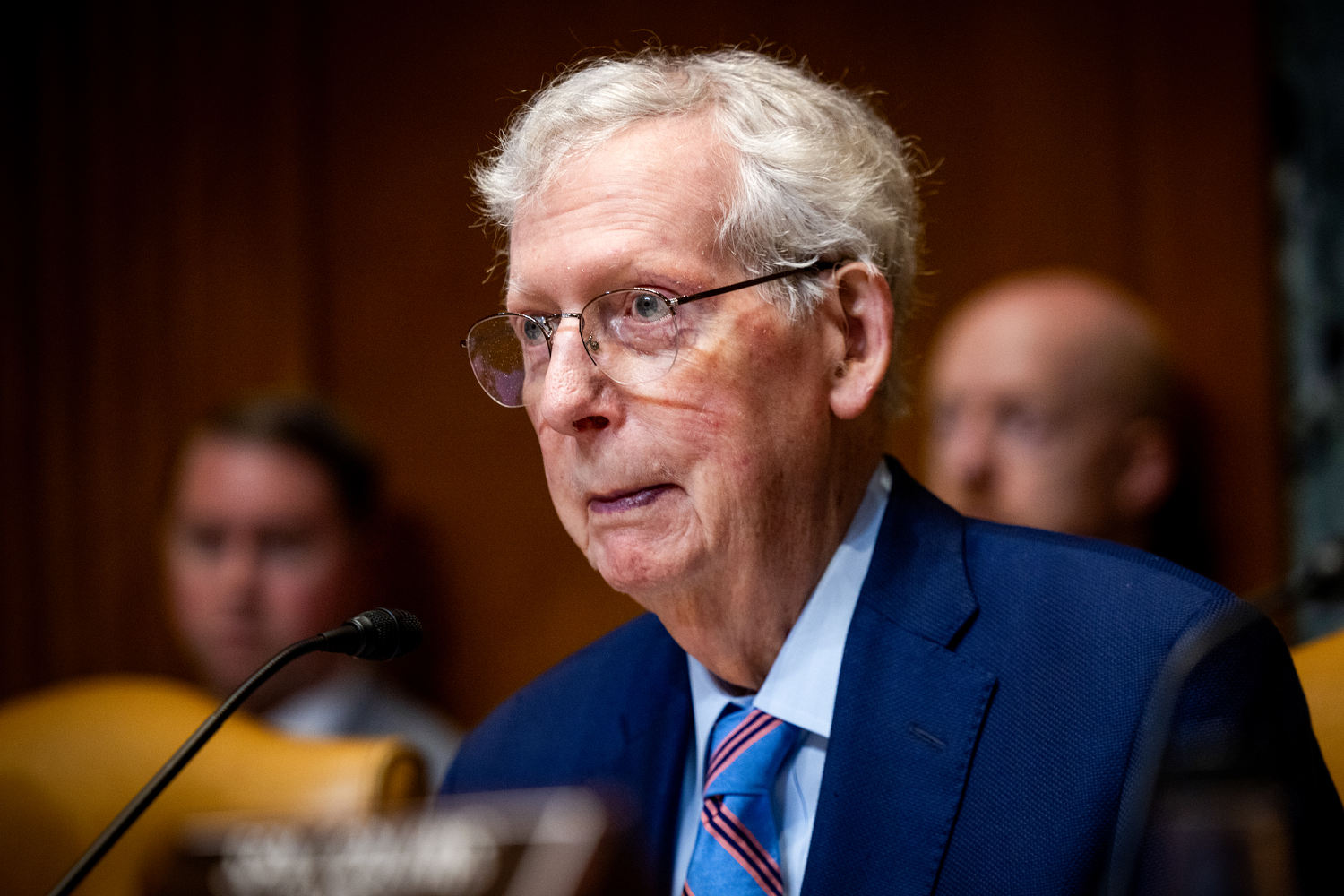
Kentucky Governor Andy Beshear has issued an ultimatum to U.S. Senator Mitch McConnell, a Republican representing Kentucky. Beshear is demanding that McConnell demonstrate his continued ability to serve effectively in the U.S. Senate. If Senator McConnell cannot prove his capacity to fulfill his duties, Governor Beshear insists that he should resign from his position. This public challenge comes amid ongoing concerns about Senator McConnell's health and his ability to perform his senatorial responsibilities. The governor's statement places direct pressure on the veteran senator to address these public perceptions. The situation highlights the scrutiny faced by elected officials regarding their health and its impact on their public service. Governor Beshear's call for accountability underscores the importance of a senator's capacity to represent their constituents and legislate.
This situation presents a complex interplay between public perception, political accountability, and the physical capacity of elected officials. Governor Beshear's demand, while framed as a call for proof of service, reflects broader societal discussions about the age and health of political leaders and their ability to meet the rigorous demands of legislative office. The underlying incentive structure for politicians involves maintaining public confidence in their efficacy. When that confidence wavers, due to observable health concerns or other factors, it can create pressure for transparency or, as in this case, direct calls for resignation. The future of governance in the AI era may necessitate clearer frameworks for assessing and addressing the fitness of public servants, balancing the right to serve with the public's expectation of capable representation. This event prompts consideration of how such challenges are navigated within existing political and legal structures, and what mechanisms might evolve to ensure robust leadership.
AI-generated to prompt reflection — not editorial opinion, not advice, not a statement of fact. How this works.