Kenya faces election transparency fight over proposal to end livestreaming of results
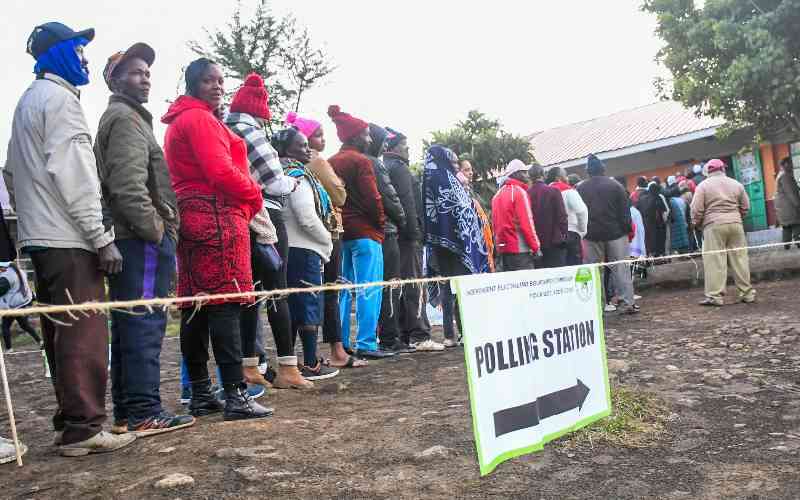
A contentious plan to eliminate the mandatory livestreaming of election results from polling stations has ignited a new conflict regarding the transparency of Kenya's 2027 General Election. This proposal has the potential to significantly alter how election outcomes are monitored and verified. The debate centers on whether removing this livestreaming requirement will enhance or diminish public trust in the electoral process. Proponents of the change may argue for efficiency or security reasons, while opponents will likely emphasize the importance of open access to results as they are tallied. The outcome of this dispute could have lasting implications for democratic practices in Kenya and set a precedent for future elections. The focus is on ensuring that the electoral system remains robust and accountable to the citizens it serves. This situation highlights the ongoing tension between administrative convenience and the public's right to observe and verify election results.
The proposed discontinuation of mandatory livestreaming for election results raises critical questions about the balance between electoral process efficiency and public accountability. While potential arguments for streamlining operations or addressing technical challenges might be presented, the removal of a transparent, real-time data stream could be perceived as a step back from established best practices for electoral integrity. Future electoral frameworks should prioritize mechanisms that enhance, rather than reduce, public visibility and verifiability to foster sustained trust in democratic institutions. Consideration of technological advancements and citizen engagement strategies will be crucial in designing systems that are both secure and demonstrably fair in the evolving digital landscape.
AI-generated to prompt reflection — not editorial opinion, not advice, not a statement of fact. How this works.