Kenya's Mysterious Elephant Deaths: Pesticides Suspected, Experts Doubtful
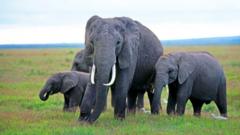
A concerning number of elephant deaths in Kenya have been attributed to pesticide poisoning, sparking alarm among conservationists and local communities. However, wildlife experts are expressing skepticism regarding this primary explanation. They suggest that while pesticides could be a contributing factor, other potential causes need thorough investigation. The BBC has reported on these concerns, highlighting the need for a comprehensive inquiry into the circumstances surrounding the elephants' demise. The exact number of affected elephants has not been specified, but the "wave" of deaths indicates a significant and troubling trend. Conservation efforts in Kenya are facing a new challenge as the cause of these deaths remains uncertain. Authorities are urged to conduct detailed post-mortem examinations and toxicological analyses to definitively identify the cause. Until then, the mystery of the Kenyan elephants' deaths persists, leaving conservationists anxious about the future of these iconic animals.
The unexplained mortality of elephants in Kenya presents a complex challenge for wildlife management and ecological stability. While pesticide poisoning is a plausible hypothesis given agricultural practices, the experts' doubts underscore the importance of rigorous scientific investigation. This situation highlights the potential for unintended consequences of human activities on wildlife populations, particularly when synergistic effects between different environmental stressors are at play. Future conservation strategies must integrate robust monitoring systems capable of distinguishing between direct toxicological impacts and other factors such as habitat degradation, disease, or altered food webs. A comprehensive understanding is crucial to prevent future losses and ensure the long-term viability of elephant populations in the region.
AI-generated to prompt reflection — not editorial opinion, not advice, not a statement of fact. How this works.
