Kenya's Shift: Protester Charges Move from Public Order to Terrorism
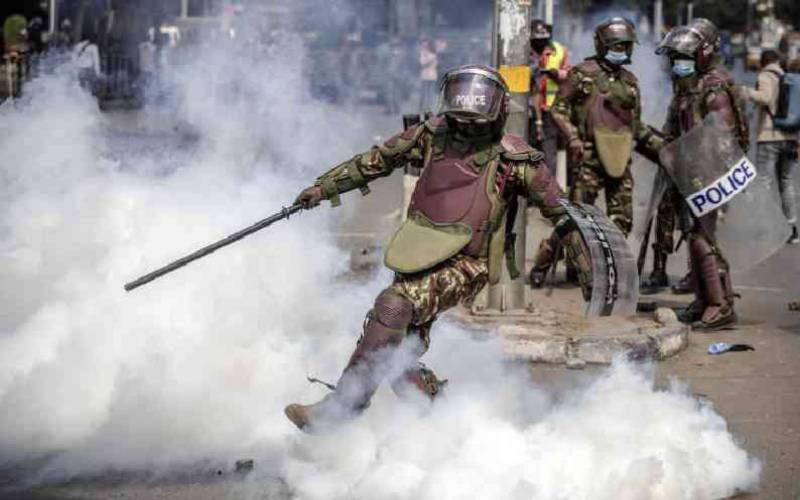
Kenyan authorities are increasingly prosecuting protesters using terrorism-related charges, a significant departure from previous public-order offenses. This shift has ignited serious concerns regarding legal standards and the potential criminalization of dissent within the country. Legal experts and human rights advocates are questioning the basis for these more severe charges, suggesting they may be used to suppress political opposition. The move away from charges like unlawful assembly or disturbing the peace towards accusations of terrorism raises the stakes considerably for arrested individuals. Such charges often carry harsher penalties and can lead to more prolonged detention. This development signals a potentially troubling trend in Kenya's approach to managing public demonstrations and political expression. The implications for civil liberties and the rule of law are substantial, as the state's power to define and prosecute dissent appears to be expanding. The international community and local civil society organizations are closely monitoring these developments, calling for transparency and adherence to due process.
The observed shift in Kenya's prosecution of protesters from public-order offenses to terrorism charges suggests a potential recalibration of state response strategies towards dissent. This evolution may reflect an increased perceived threat, a desire for more potent legal tools to manage public demonstrations, or evolving geopolitical security considerations. However, employing terrorism statutes for what might be broadly defined as protest activity carries inherent risks. It could lead to the overreach of state power, potentially chilling legitimate freedom of expression and assembly, and may strain judicial resources. The long-term implications for Kenya's democratic governance and international standing will depend on the judiciary's ability to ensure proportionality, due process, and adherence to international human rights standards, particularly in the context of emerging global security paradigms.
AI-generated to prompt reflection — not editorial opinion, not advice, not a statement of fact. How this works.