Kenya Wildlife Service Probes Deaths of 15 Elephants in National Park
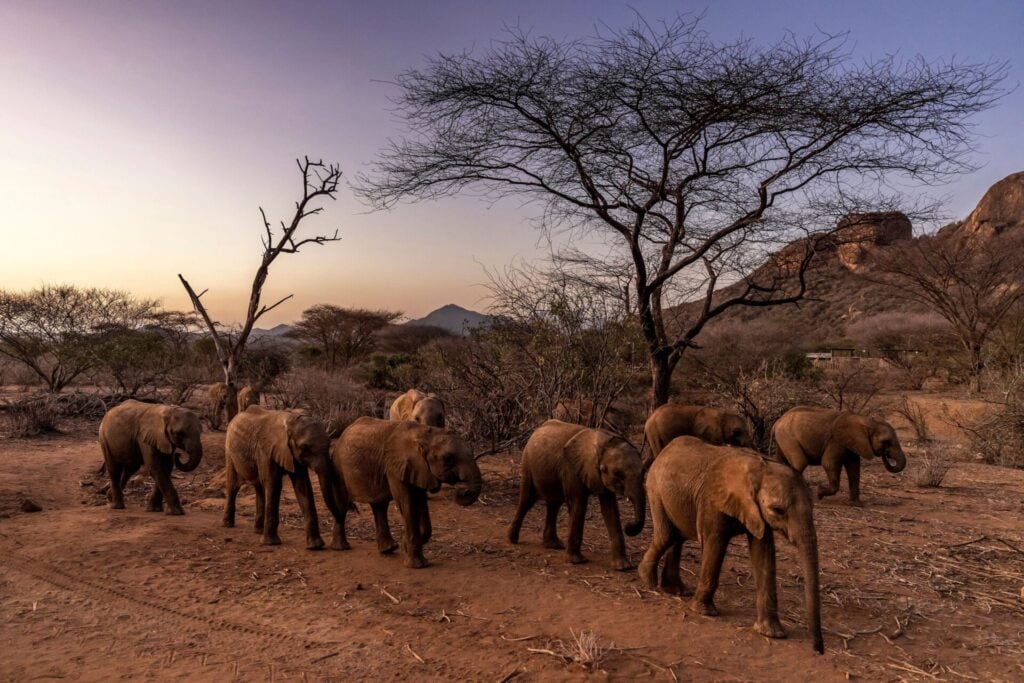
The Kenya Wildlife Service (KWS) is investigating the mysterious deaths of 15 elephants discovered in Tsavo East National Park. The carcasses were found on Monday, September 18th. Initial theories suggest the elephants may have ingested poisoned bait, possibly linked to pesticides used on nearby agricultural farms. This incident highlights a growing conflict between wildlife conservation efforts and human agricultural expansion in the region. Tsavo East National Park is one of Kenya's largest and oldest national parks, renowned for its large elephant population. The KWS has dispatched a rapid response team to the area to collect samples and conduct a thorough post-mortem examination. They are also working with local communities to understand the source of the potential poisoning. The investigation aims to determine the exact cause of death and implement measures to prevent future occurrences. The loss of such a significant number of elephants raises concerns about the overall health of the park's ecosystem and the effectiveness of current wildlife protection strategies. Further details are expected as the investigation progresses.
The tragic demise of 15 elephants in Tsavo East National Park underscores the persistent challenge of human-wildlife coexistence in areas of agricultural expansion. While pesticide poisoning is a plausible hypothesis, rigorous forensic analysis is crucial to confirm the cause and identify responsible parties. This event prompts a systemic review of land-use policies and agricultural practices bordering protected areas. Future strategies should prioritize integrated landscape management, potentially involving buffer zones, community-based conservation incentives, and stricter regulation of hazardous chemical use. The long-term viability of iconic species like elephants depends on proactive, science-driven approaches that balance ecological integrity with local livelihoods, anticipating increased pressure in an era of growing populations and resource demands.
AI-generated to prompt reflection — not editorial opinion, not advice, not a statement of fact. How this works.