Kenyan Court Permits Restricted Tender for Port Machinery Despite Objections
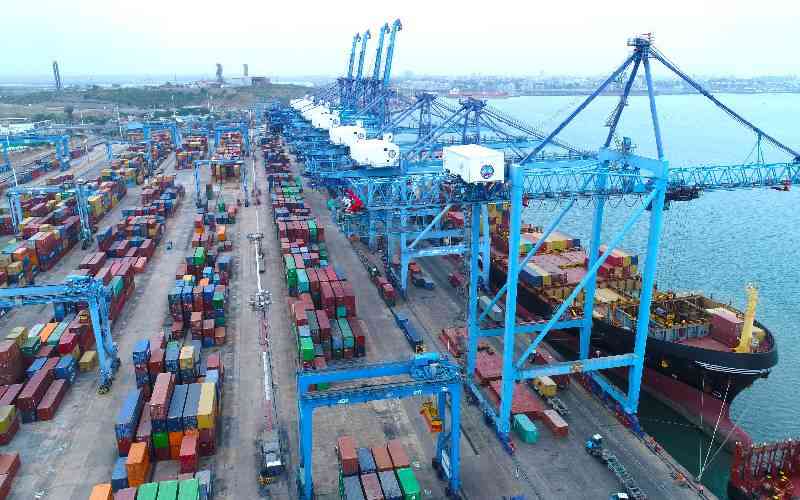
The High Court in Mombasa has granted the Kenya Ports Authority (KPA) permission to acquire heavy port-operation machinery through a restricted tendering process. This decision comes despite significant protests from human rights groups. The procurement involves multi-million-dollar equipment crucial for the efficient operation of the port. The restricted tendering method allows KPA to select specific suppliers rather than opening the process to all interested parties. Human rights organizations have voiced concerns regarding the transparency and fairness of this approach. The court's ruling now permits KPA to proceed with the acquisition under these specific conditions. The machinery is intended to enhance the capabilities and efficiency of port operations.
The High Court's decision to allow restricted tendering for KPA's multi-million-dollar machinery procurement presents a trade-off between operational urgency and public accountability. While restricted tendering can expedite the acquisition of critical assets, it also potentially limits competition and raises concerns about the equitable distribution of business opportunities. From a governance perspective, the court's intervention highlights the ongoing tension between executive efficiency and the oversight mechanisms designed to ensure fairness and prevent potential impropriety. Future procurements of this scale will likely continue to be scrutinized, emphasizing the need for robust justification for non-competitive processes, particularly in light of evolving expectations for transparency in public sector operations.
AI-generated to prompt reflection — not editorial opinion, not advice, not a statement of fact. How this works.