Kenyan Voters Show Defiance Amid Political Setbacks and Confrontations
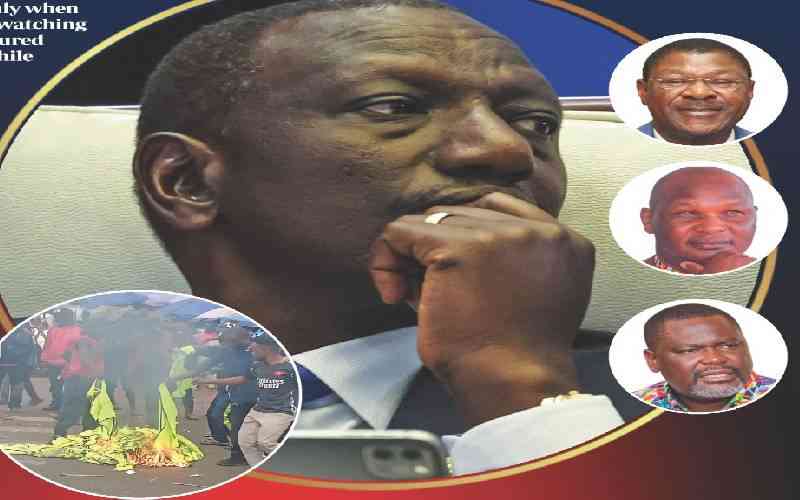
Kenya is experiencing a wave of public dissatisfaction directed at its political leaders, evidenced by a series of confrontations and heckling incidents. These events indicate a growing weariness and defiance among voters who appear increasingly disillusioned with the current political landscape. The electoral setbacks experienced by various political figures further underscore this sentiment. The public's reaction suggests a significant shift in voter sentiment, moving away from passive acceptance towards active expression of discontent. This trend points to a potentially volatile political environment as citizens become less tolerant of perceived shortcomings in leadership. The ongoing confrontations and electoral challenges signal a critical juncture in Kenyan politics, reflecting a populace that is both tired and resolute in its demands for better governance. The situation highlights the increasing agency of voters in holding their leaders accountable through direct and visible forms of protest.
The reported incidents in Kenya suggest a dynamic where voter fatigue and dissatisfaction are manifesting as direct challenges to political figures. This shift from passive electoral participation to active confrontation can be analyzed through the lens of evolving civic engagement in the digital age, where information dissemination and collective action are facilitated. The underlying incentive structures for political leaders may need re-evaluation if they are not adequately addressing public grievances, potentially leading to a recalibration of political strategies. From a future-oriented perspective, this trend could indicate a broader movement towards greater accountability and responsiveness from governing bodies, driven by an increasingly informed and vocal citizenry, necessitating adaptive governance models.
AI-generated to prompt reflection — not editorial opinion, not advice, not a statement of fact. How this works.