Kering's Turnaround: French Luxury Giant Embraces AI and China for Growth
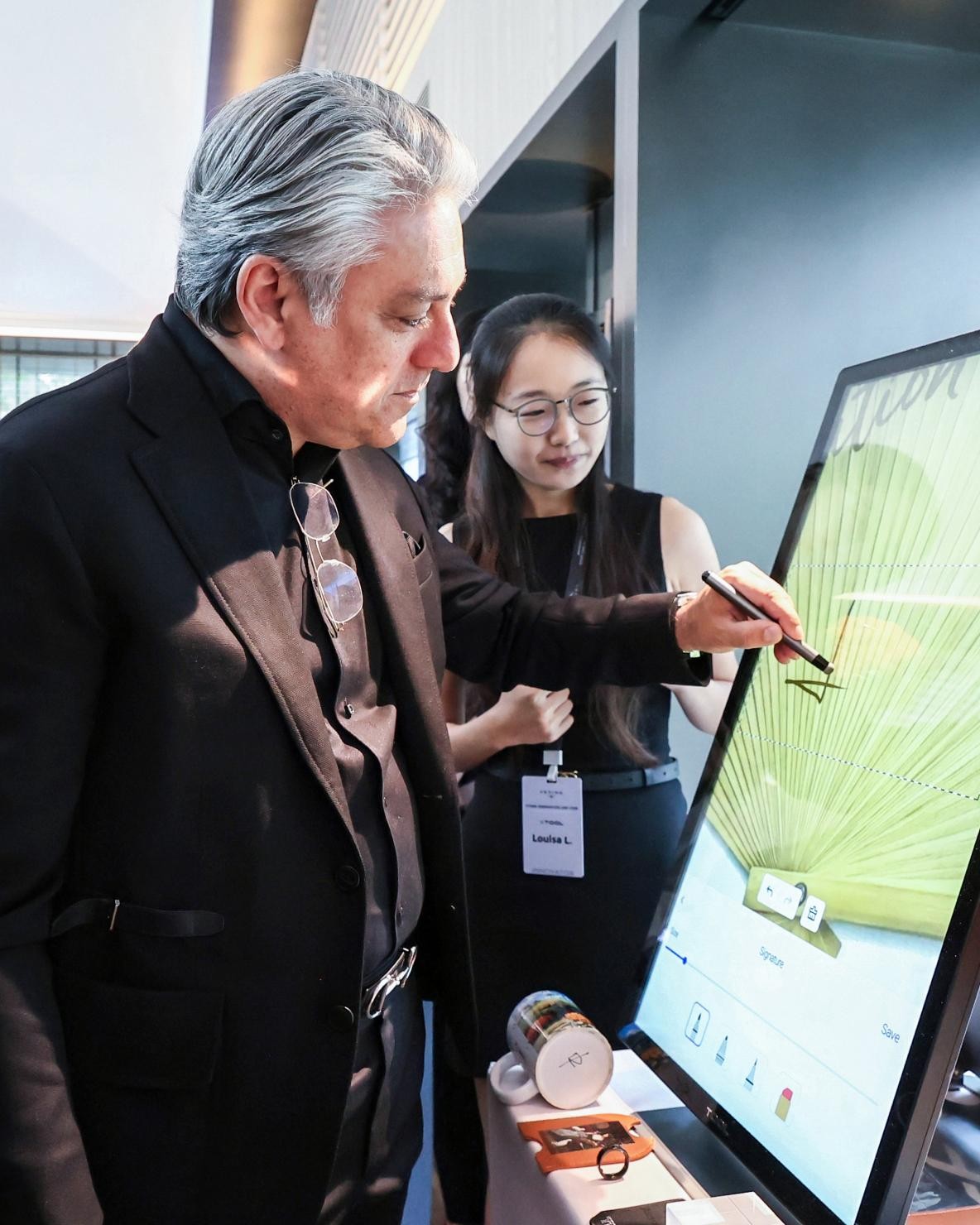
French luxury group Kering has reported a significant turnaround, with first-half 2026 revenue reaching 7.22 billion euros, a 1% year-on-year increase on a comparable basis. The second quarter showed a notable 2% year-on-year revenue growth, marking the group's first single-quarter positive growth in three years amidst global economic uncertainty. Core brand Gucci saw its revenue decline narrow to 2% in the second quarter from 8% in the first, exceeding market expectations. Other brands like Saint Laurent and Bottega Veneta also showed signs of recovery and growth, while Balenciaga is undergoing a creative transition. Kering is actively managing its retail footprint, having closed a net of 84 directly operated stores in the first half, a 5% reduction from the end of 2025. This positive financial performance led to a 17% surge in Kering's stock price. The group's revival strategy, dubbed 'ReconKering,' was formally introduced by new CEO Luca de Meo in April. This strategy prioritizes reigniting brand appeal, enhancing operational excellence, and leading the luxury sector's next era. Key objectives include more than doubling the group's recurring operating profit margin within the medium term, reducing inventory by approximately 1 billion euros within 12 months, and closing around 250 stores over four years to improve sales per square foot. The China market is central to this transformation, viewed not just as a market but as a 'cradle of innovation' for Kering, influencing technology, business models, and consumer trends. De Meo, a former automotive executive with a background in technology, sees AI as a crucial enabling tool and believes China's rich data ecosystem positions it as a leader in AI innovation. He emphasizes a deep integration of art and science, combining creative intuition with rational logic, to drive the group forward.
Kering's strategic pivot, emphasizing AI integration and a heightened focus on the Chinese market, reflects a broader industry trend of leveraging technology to navigate evolving consumer demands and economic cycles. The 'ReconKering' strategy's emphasis on operational efficiency, inventory reduction, and store optimization, coupled with the embrace of AI for data analysis and potential process streamlining, aims to enhance profitability and agility. By positioning China as an innovation hub, Kering seeks to tap into its dynamic consumer base and advanced digital infrastructure, potentially accelerating product development and market responsiveness. The challenge lies in harmonizing the inherent human-centric and artisanal nature of luxury goods with the data-driven, scalable capabilities of AI, ensuring that technological adoption enhances, rather than dilutes, brand exclusivity and creative expression. The success of this strategy will hinge on Kering's ability to foster a culture that effectively bridges artistic vision with technological implementation, creating a sustainable competitive advantage in the next decade.
AI-generated to prompt reflection — not editorial opinion, not advice, not a statement of fact. How this works.