Keto vs. Eat Clean: Understanding the Key Dietary Differences
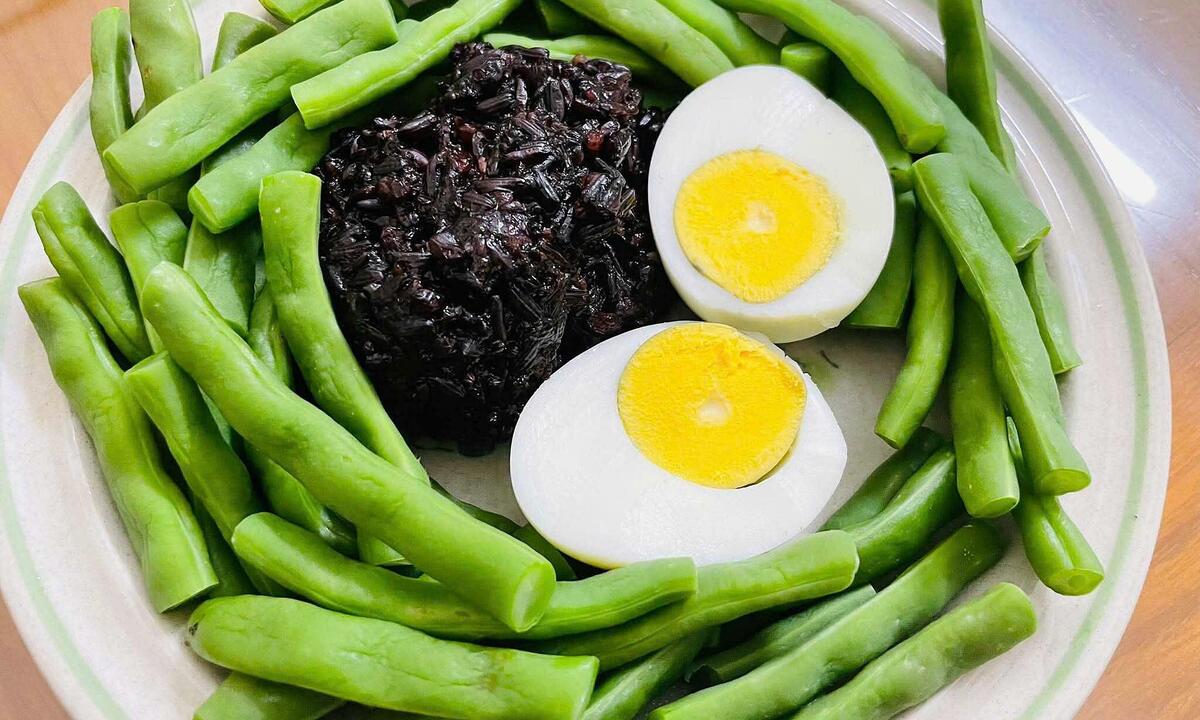
The ketogenic (keto) diet and the 'eat clean' approach represent distinct dietary strategies with differing macronutrient focuses. The keto diet's primary objective is to drastically reduce carbohydrate intake, while simultaneously increasing fat consumption to account for 70-75% of daily calories. This severe carbohydrate restriction aims to induce a metabolic state known as ketosis, where the body burns fat for energy instead of glucose. In contrast, the 'eat clean' diet does not mandate the strict elimination of any specific nutrient group. Instead, it emphasizes the consumption of whole, unprocessed foods and prioritizes nutrient-dense options. While both diets can encourage healthier eating habits, they achieve their goals through fundamentally different nutritional frameworks. The keto diet is characterized by its high-fat, low-carb composition, whereas 'eat clean' focuses on food quality and minimal processing without rigid macronutrient targets.
The distinction between the keto and 'eat clean' diets highlights differing philosophies on achieving health through nutrition. Keto's approach is a metabolic intervention, leveraging macronutrient manipulation to shift the body's primary fuel source. 'Eat clean,' conversely, emphasizes food integrity and sourcing, aligning with a broader wellness perspective that values natural, unadulterated foods. From a long-term sustainability perspective, the restrictive nature of keto may present adherence challenges for some individuals, whereas the flexibility of 'eat clean' might be more adaptable to diverse lifestyles. Understanding these differing mechanisms allows individuals to align their dietary choices with their specific health goals and personal preferences, considering both potential benefits and practical implementation.
AI-generated to prompt reflection — not editorial opinion, not advice, not a statement of fact. How this works.