Key Trafficking Leader of Red Command Arrested in Rio de Janeiro
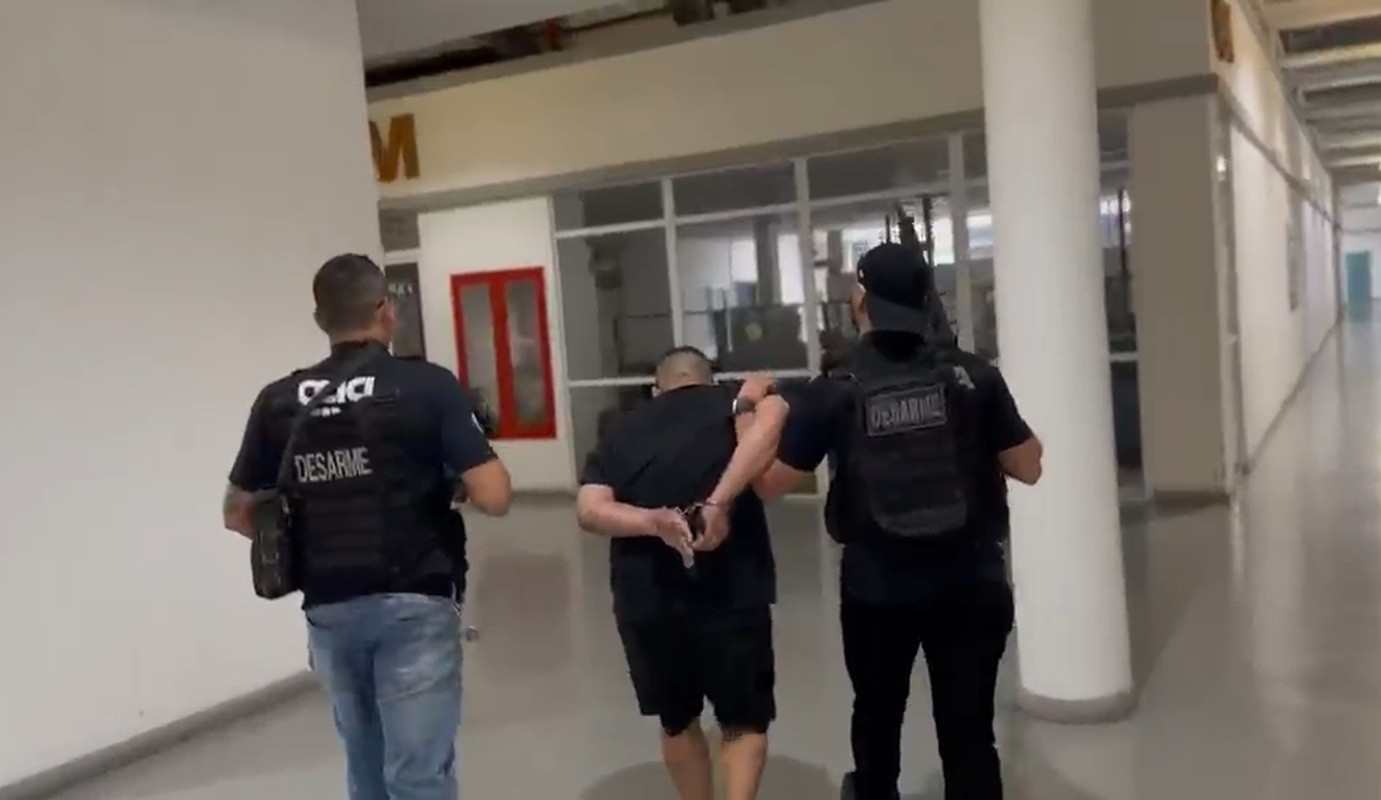
Thiago da Silva Santos, known as "Lafado" and identified as a principal leader of the Red Command trafficking faction, was apprehended by Civil Police on Thursday night, May 23rd. Agents from the Specialized Unit for Weapons, Ammunition, and Explosives (Desarme) carried out the arrest following approximately two months of surveillance by the unit's intelligence division. Lafado was captured as he was traveling from Maricá back to Santa Teresa in Rio de Janeiro, where he had been residing in hiding. The Civil Police reported that Lafado exerted influence over several communities in Maricá, including Beira Rio, Risca Faca, Santa Paula, Sem Terra, Monte Castelo, and Casserotiba. He also managed drug distribution points within the Fallet community in Santa Teresa. Authorities state Lafado has a significant criminal record, with prior annotations for homicide, kidnapping, torture, drug trafficking conspiracy, and other offenses. This marks his fourth arrest; his previous detention in 2022 occurred while he was dining at an upscale restaurant in Niterói. Despite being released, Lafado allegedly violated judicial conditions, resumed drug trafficking activities, and consequently had a new arrest warrant issued. The current arrest is in execution of a warrant stemming from a conviction that resulted in a 17-year prison sentence.
The apprehension of Thiago da Silva Santos, a significant figure within the Red Command, highlights the persistent challenges in dismantling established criminal organizations in urban centers. His repeated arrests and subsequent returns to illicit activities suggest that punitive measures alone may not be sufficient to deter high-level operatives. The cyclical nature of these arrests points to potential systemic issues in rehabilitation, reintegration, or the underlying socio-economic factors that may contribute to involvement in organized crime. Future strategies might benefit from exploring a multi-pronged approach that combines law enforcement with community-based interventions and economic development initiatives aimed at addressing the root causes of criminal enterprise, particularly in areas with concentrated poverty and limited opportunities. The focus on the conviction and sentence underscores the legal framework's role, but the ongoing influence of such figures indicates a need to also address the broader ecosystem that supports their operations.
AI-generated to prompt reflection — not editorial opinion, not advice, not a statement of fact. How this works.